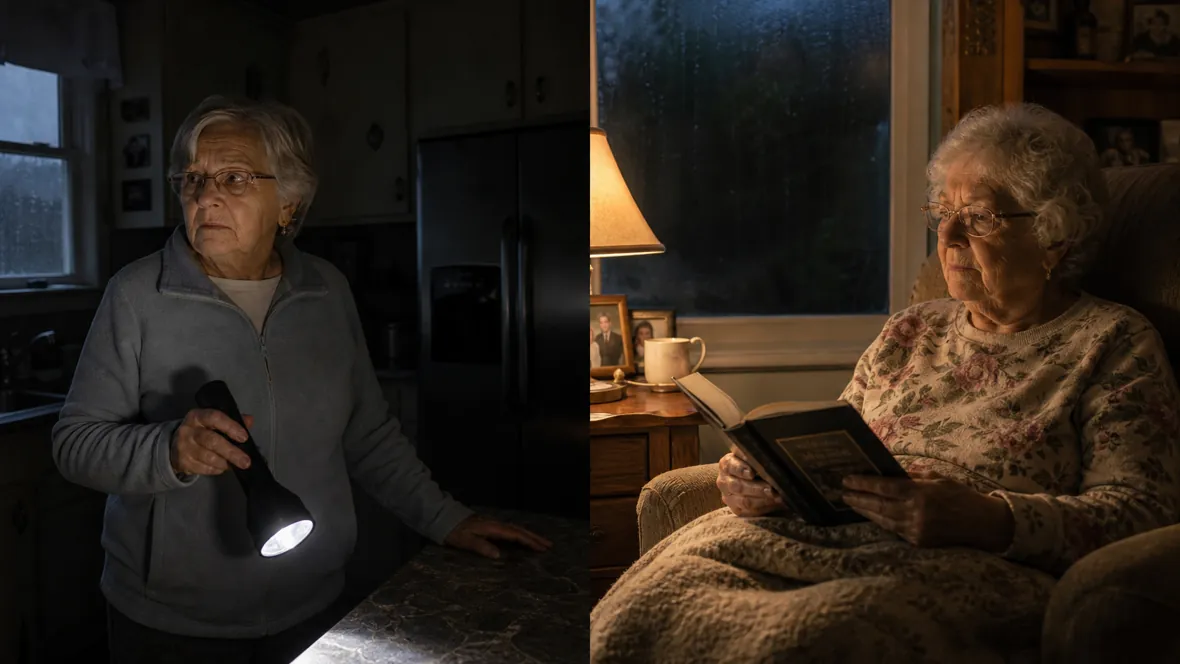
Last September, in two towns nine miles apart, two grandmothers woke up to the same storm.
These two women were very much alike.
Both were in their late seventies. Both lived alone. Both used a CPAP. Both kept insulin in the fridge.
By midmorning, the power was out. The cell towers went down a few hours later.
For the first two days, they were still very much alike.
Both had a small flashlight in the kitchen drawer.
Both had a small power bank for the phone.
Then the roads closed.
The storm took out more than the lights.
It took out the roads.
Trees down everywhere.
A bridge gone here, a piece of road gone there.
The state had to close every route in or out.
Each of them had a daughter who lived a county away.
When the calls stopped going through, both daughters tried to drive in.
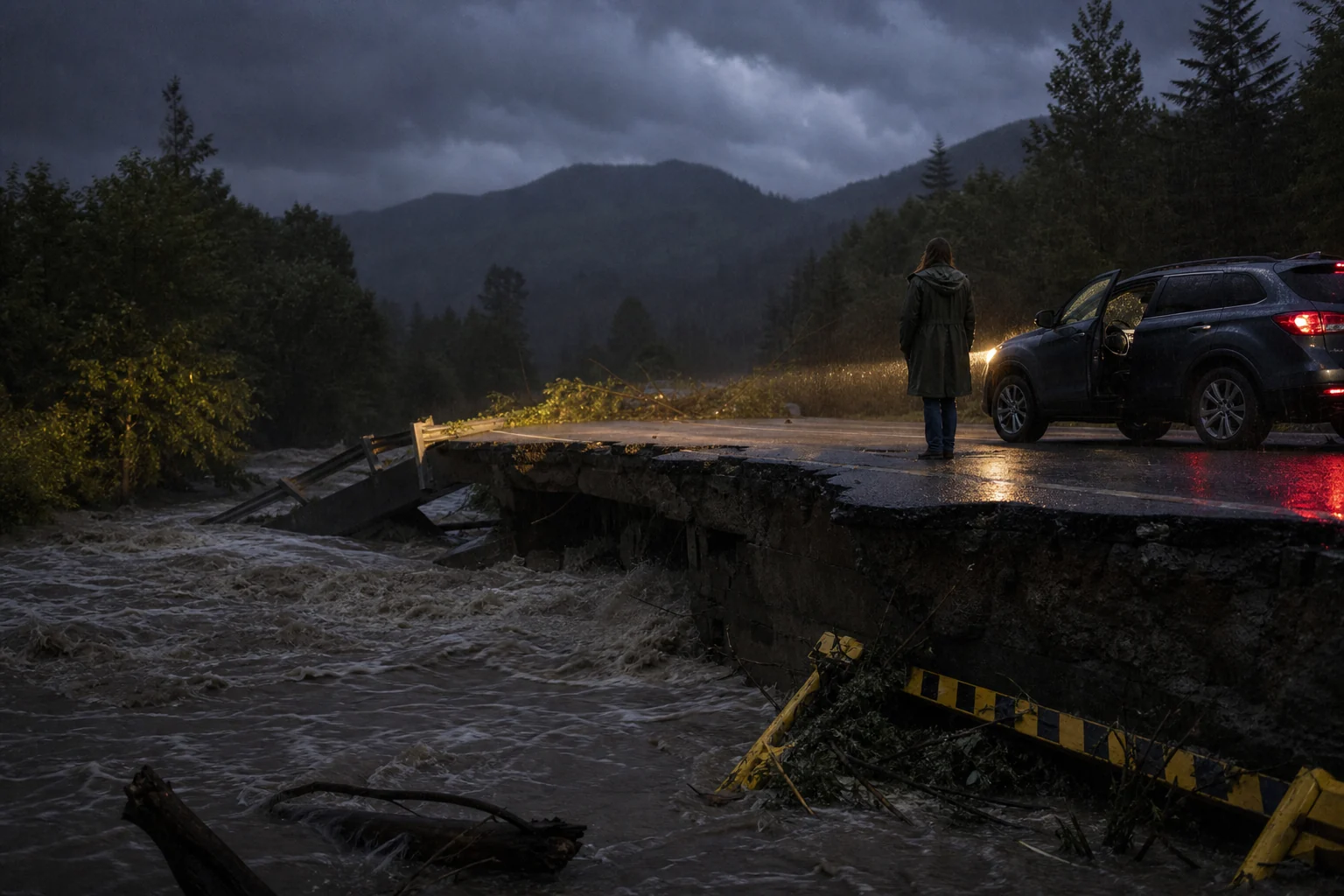
Neither could get past the washed-out roads.
Nobody could get in or out of those mountains for nine days.
For nine days, the two grandmothers were on their own.
But one of those houses had something the other didn't.
On the ninth day, the state cleared one route through.
Eleanor's daughter drove in at first light.
She found her mother in the house.
The medical examiner called it a cardiac event.
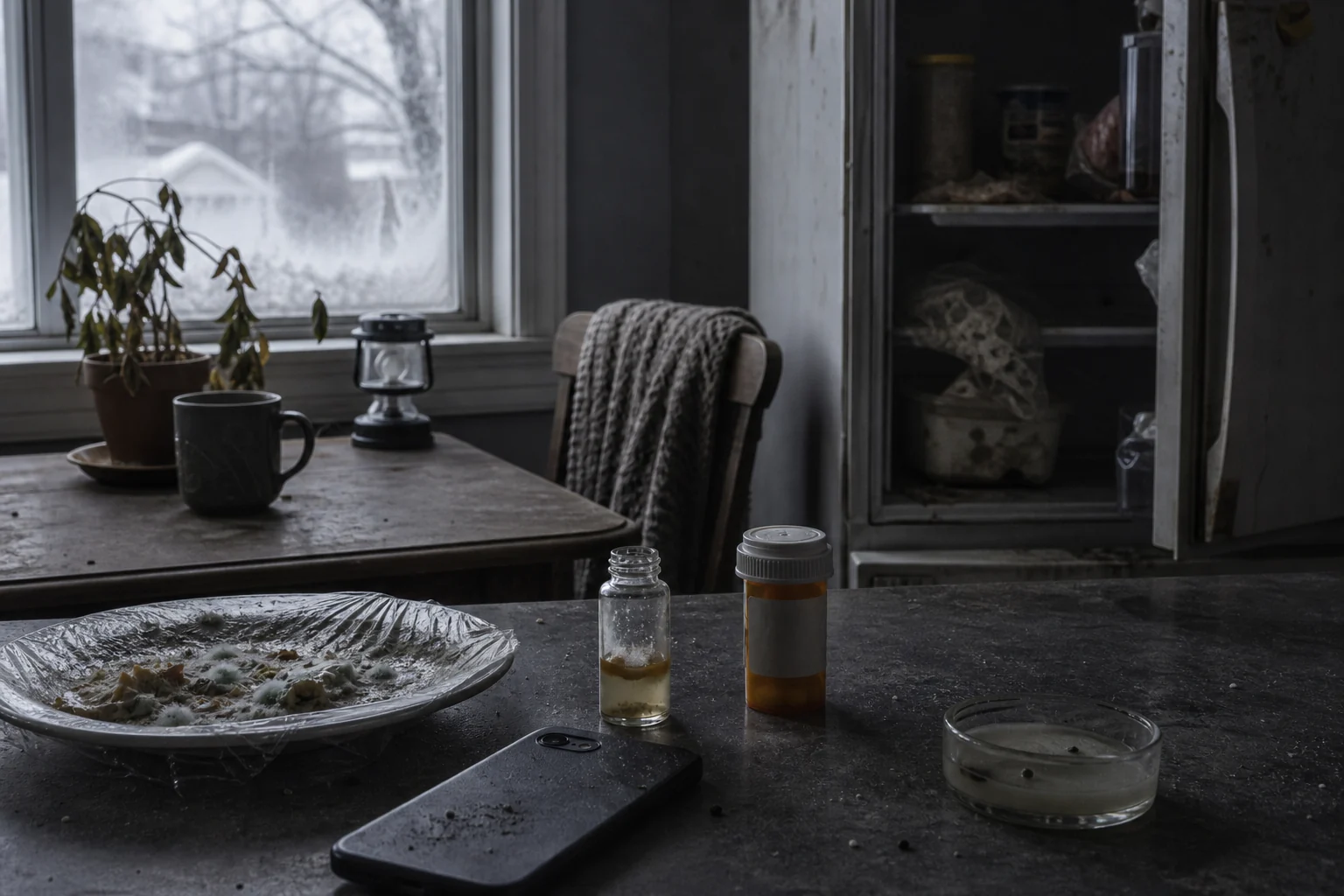
Inside: a refrigerator that hadn't run in nine days. A CPAP silent on the nightstand. A dead power bank. An insulin vial on the kitchen counter that hadn't been cold in almost a week.
That same morning, nine miles away, Margaret was reading a book on the front porch when her daughter pulled in.
There was a half-finished cup of coffee next to her, brewed on the electric kettle in the kitchen.
Her CPAP had run every night.
Her insulin had stayed at 38 degrees.
When cell service came back in patches during the second week, she answered her daughter's calls on the first ring.
Her phone had been charged the whole time.

What made the difference?
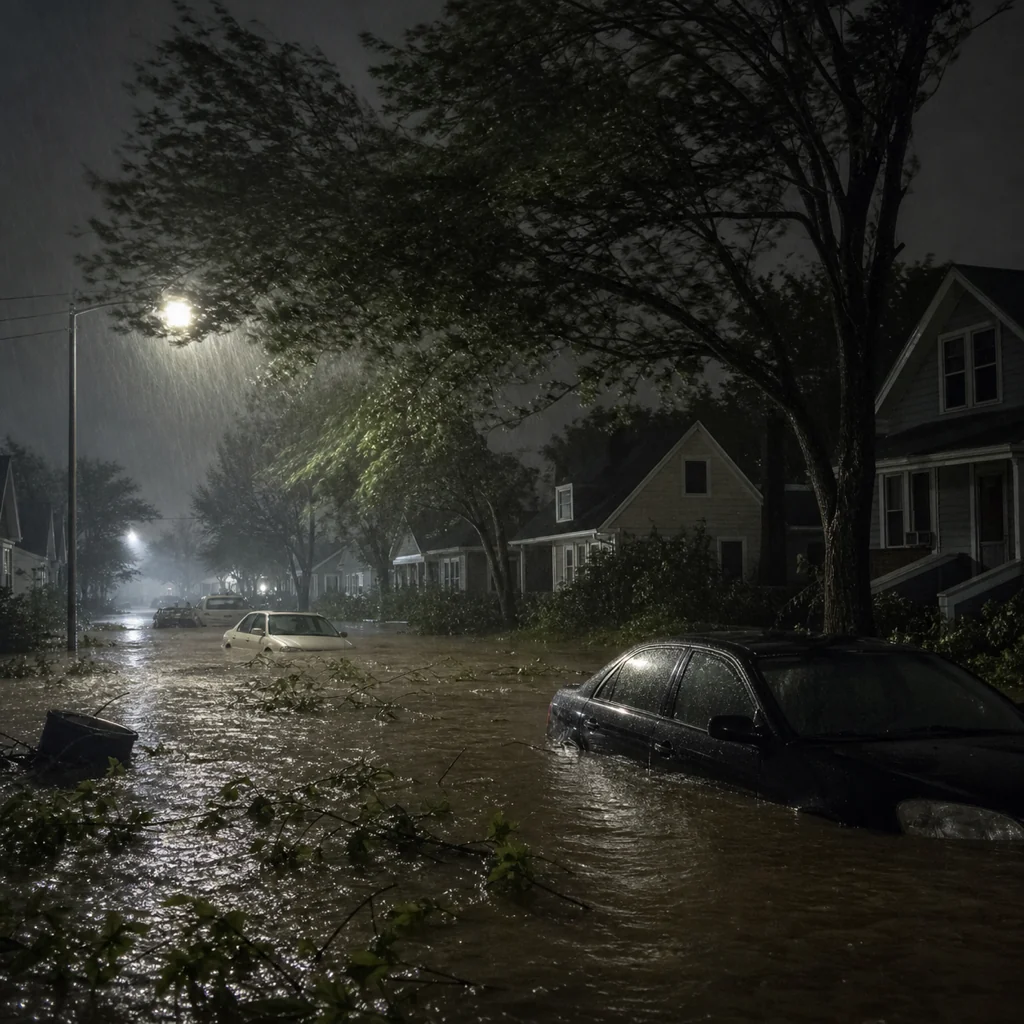
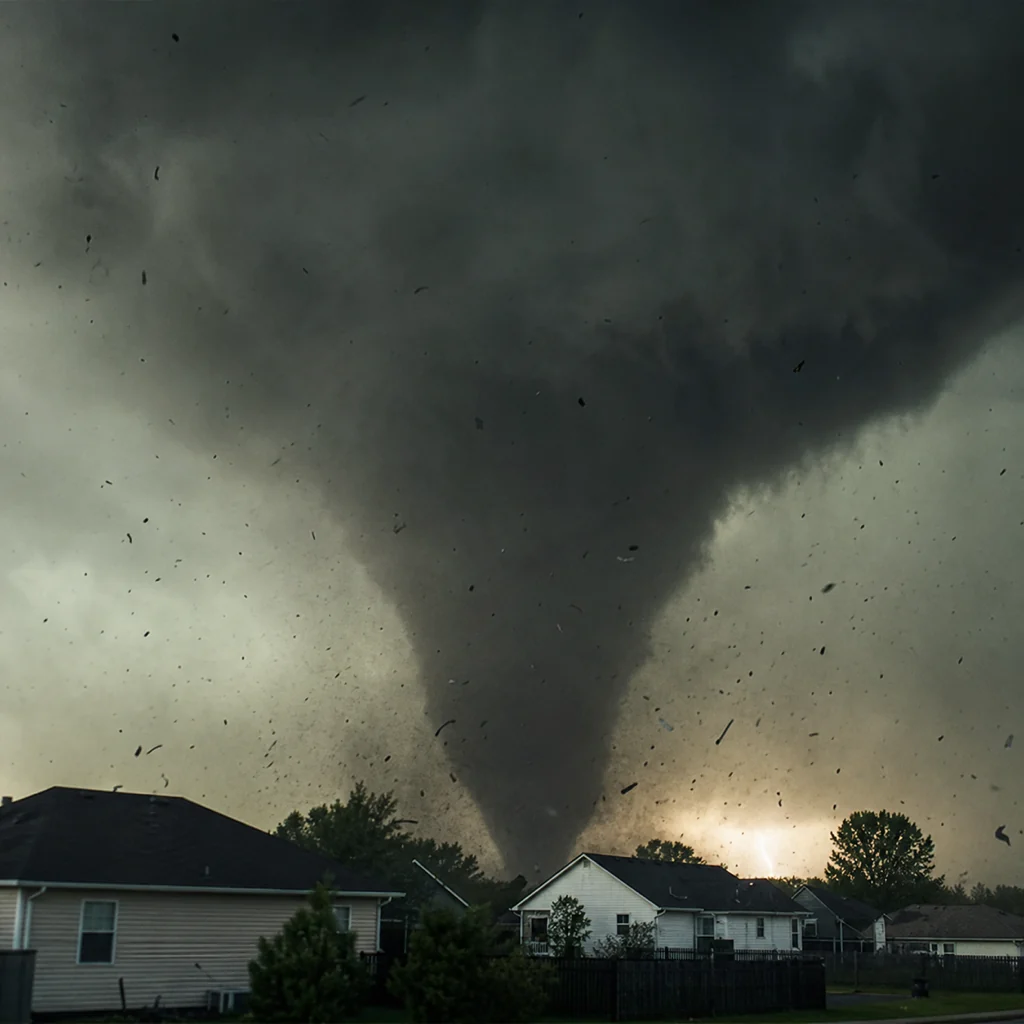
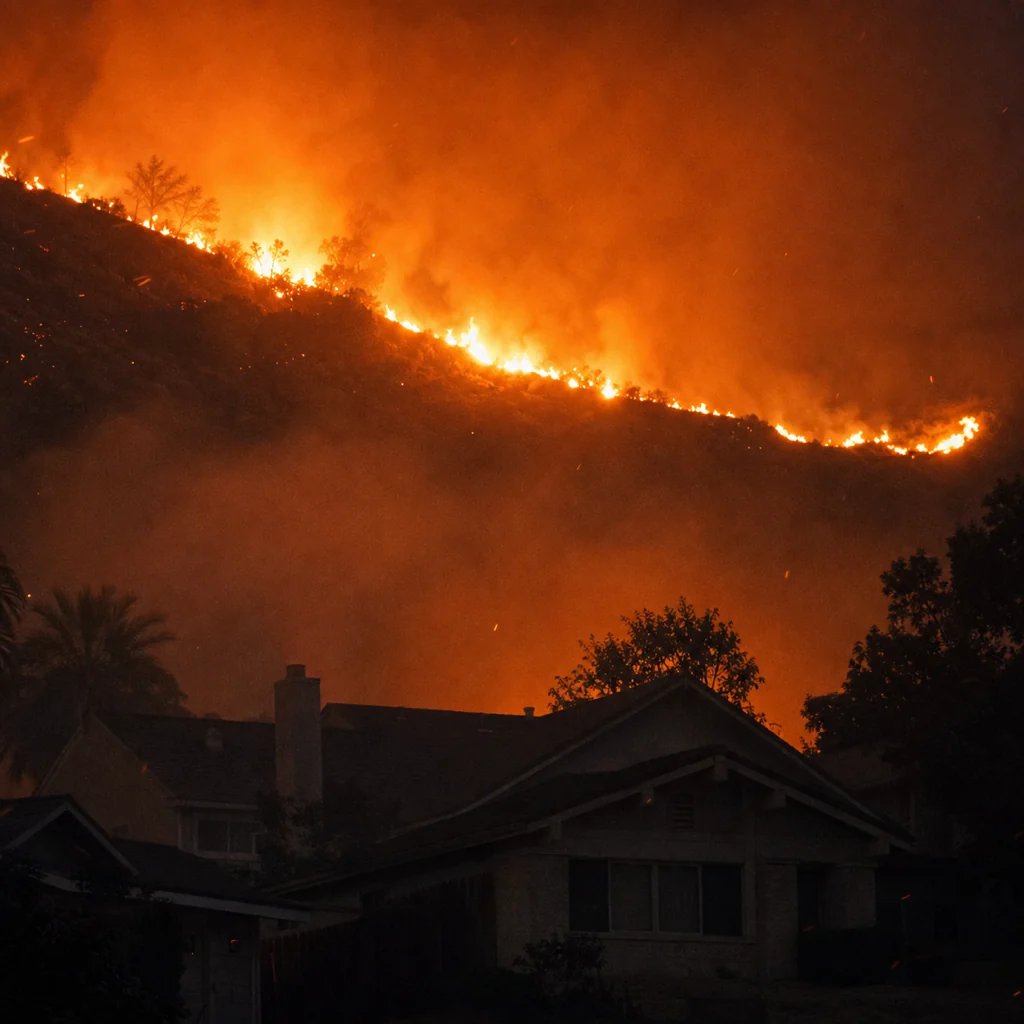
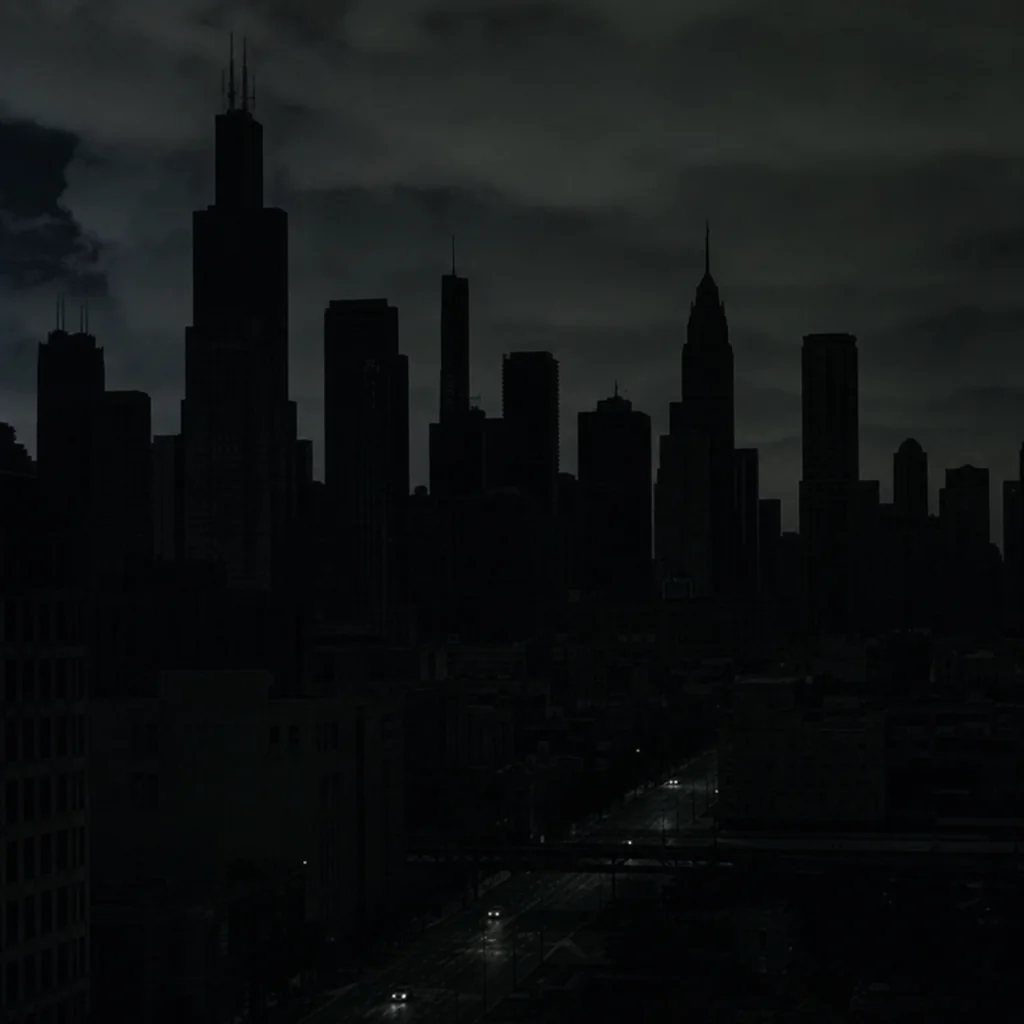

Today the average American home loses power nearly twice as long as it did ten years ago.
We're going backwards, not forwards.
In much of the country the grid is older than the moon landing, and the storms hitting it get bigger every year.
So the next big outage is coming. Maybe this winter. Maybe next year.
The only question is whether your house is ready when it does.
Are you ready for the moment you realize the lights aren't coming back on tonight?
Are you ready for the night you can't reach anyone, and no one can reach you?
Are you ready for the day something goes wrong, and you realize there's no power, no phone, and no help coming any time soon?
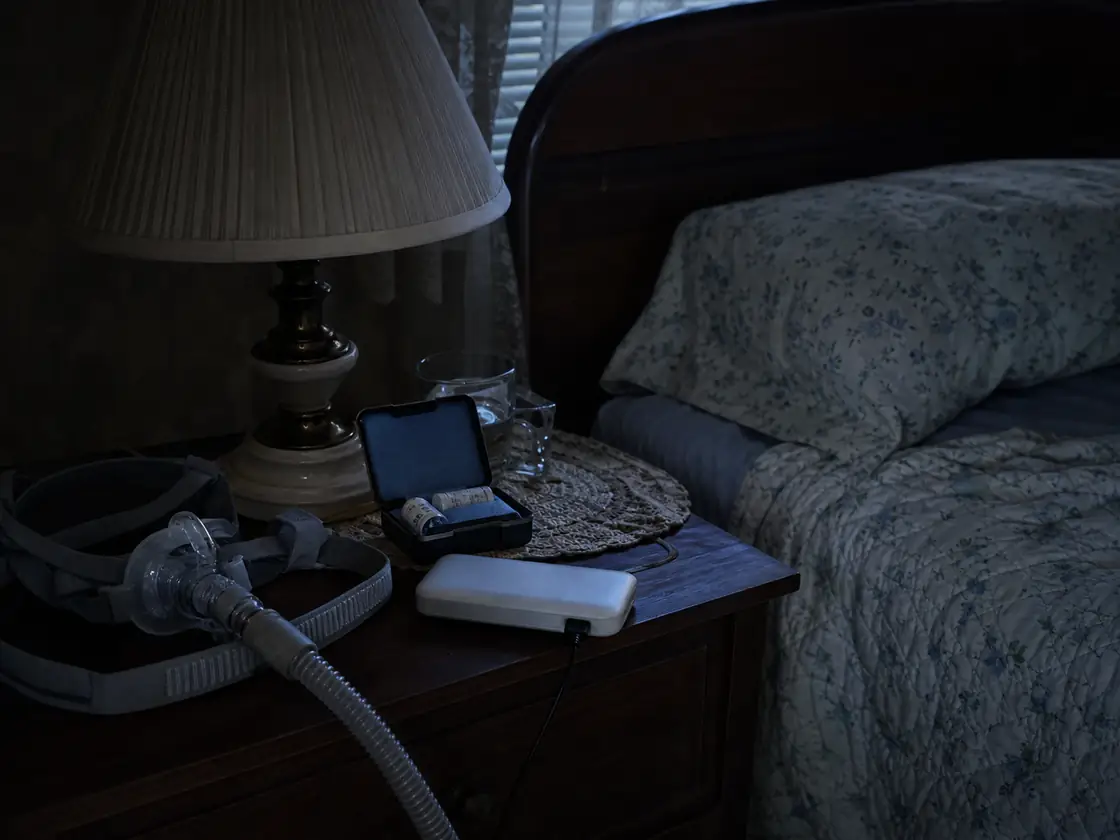
Most families, unfortunately, aren't ready.
And that's why every year, there are hundreds and hundreds of preventable tragedies.
Good people who thought nothing would ever happen to them or who sometimes trusted our government too much… until it was too late.
But that won’t happen to you.
Because on this page, you're going to discover how to protect yourself and your family from anything that will ever try to take your power out for weeks, days, hours or even minutes.
You'll be the one whose house is always warm, safe, bright, and alive.
It all starts by understanding why most people, even the ones who think they're prepared, get the answer wrong.
For as long as American families have been preparing for power outages, they've been told the same three things.
You probably heard it growing up.
Keep a flashlight in the drawer.
Keep a radio that runs on batteries.
And have a backup power source for when the lights go out.
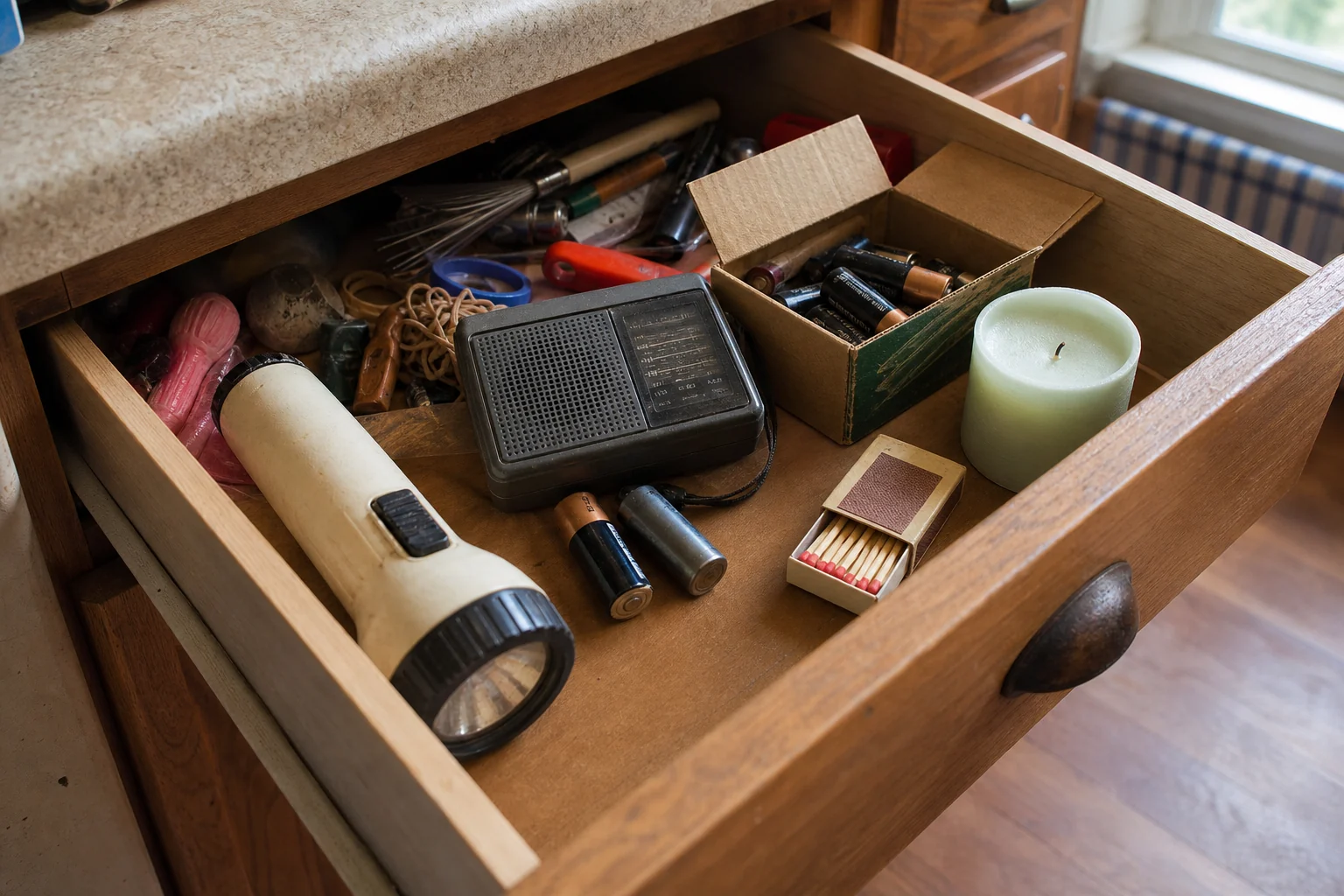
The first two are simple, they're cheap, and they work for what they do.
It's the third one, the backup power source, where most families go wrong.
Because there are three kinds of backup power source on the market right now. And each one of them sounds like the answer at the store. Then the grid goes down for more than a day, and the truth comes out.
The first mistake is owning a gas generator.
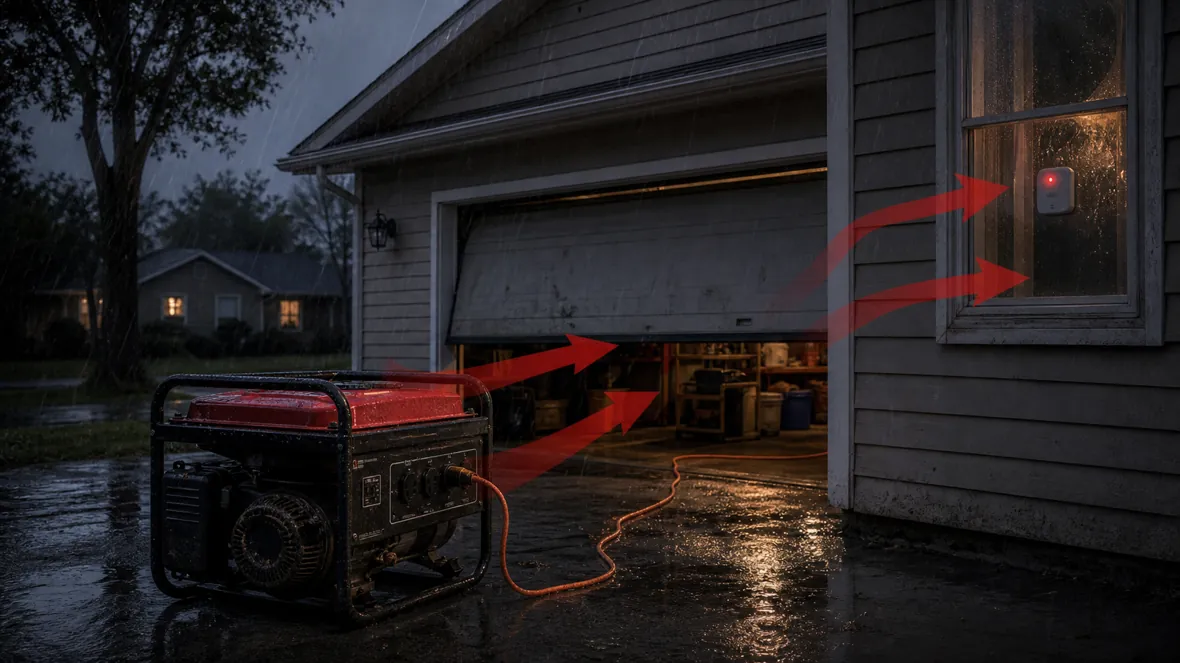
It's what most American families think of first.
It's a heavy box on wheels that runs on gasoline. You pour the fuel in. You pull the cord. The motor coughs to life. And the lights come back on.
But here's what most families don't realize the day they buy one.
People go to sleep with one running, and don't wake up.
About one hundred Americans die every year from carbon monoxide poisoning linked to portable generators. That's about half of all the people in this country who die from carbon monoxide from any consumer product in their home.
They go to sleep one night, and they don't wake up the next morning.
And most of those deaths, more than eight in ten, happen in homes during weather-related outages.
Older Americans, especially. They're the ones most at risk.
You see, one portable generator puts out as much carbon monoxide per hour as hundreds of cars running their engines at the same time.
You should only run it outdoors, at least twenty feet from any door, window, or vent.
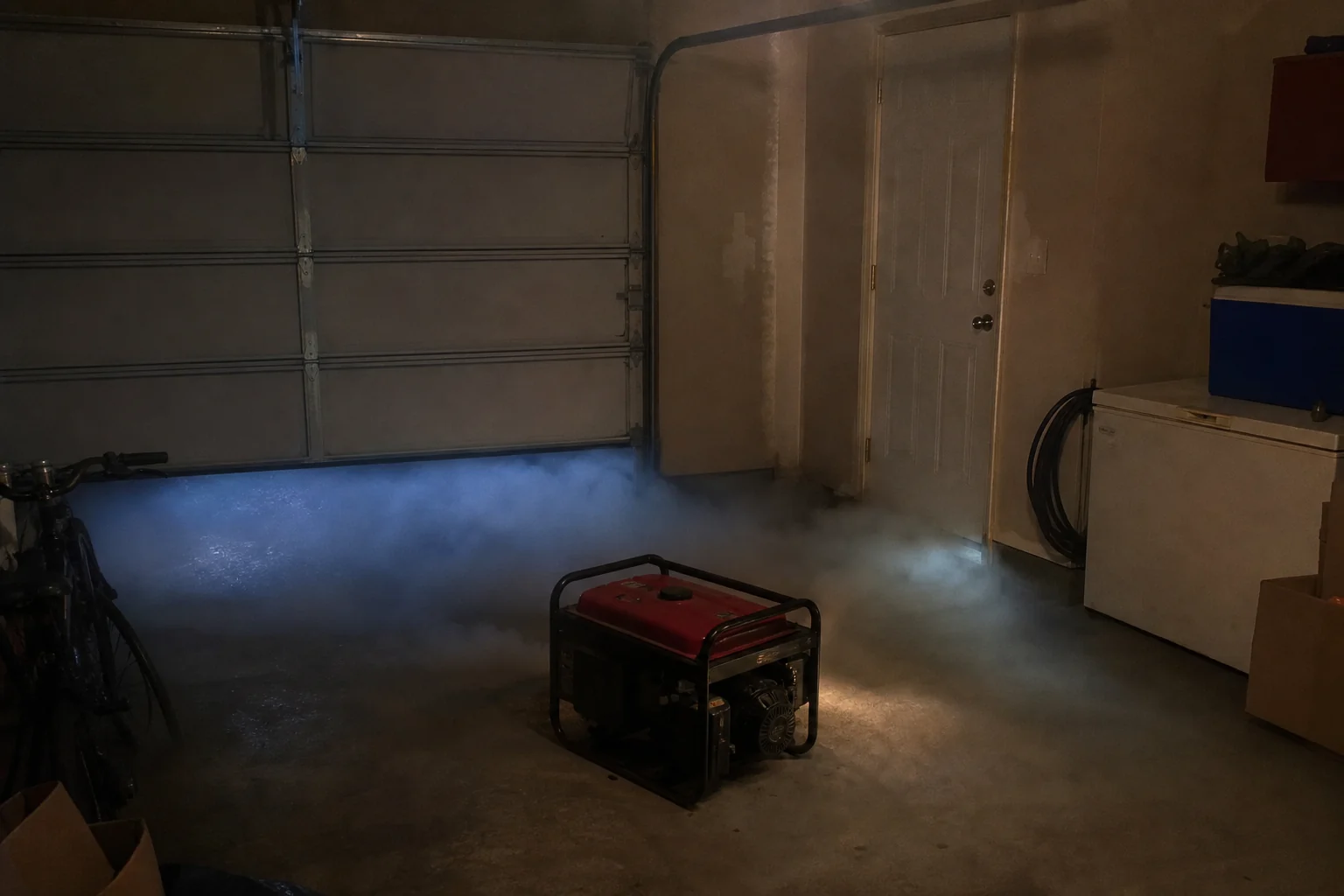
But in a real outage, when it's pouring rain, when the wind is blowing the wrong way, when the cord just won't reach any further... families bring it in.
Into the garage with the door cracked.
Onto the back porch under the overhang.
Or ten feet from the kitchen window, because that's where the cord ends.
But the carbon monoxide doesn't respect the instructions.
That’s when it kills.
And after three days, the fuel is gone.
Then there's the fuel.
A five-gallon gas can gives a mid-sized generator five to ten hours of runtime.
After three days of a long outage, the fuel you stored at home is gone.
And then, are you sure you can easily find a gas station open to buy more?
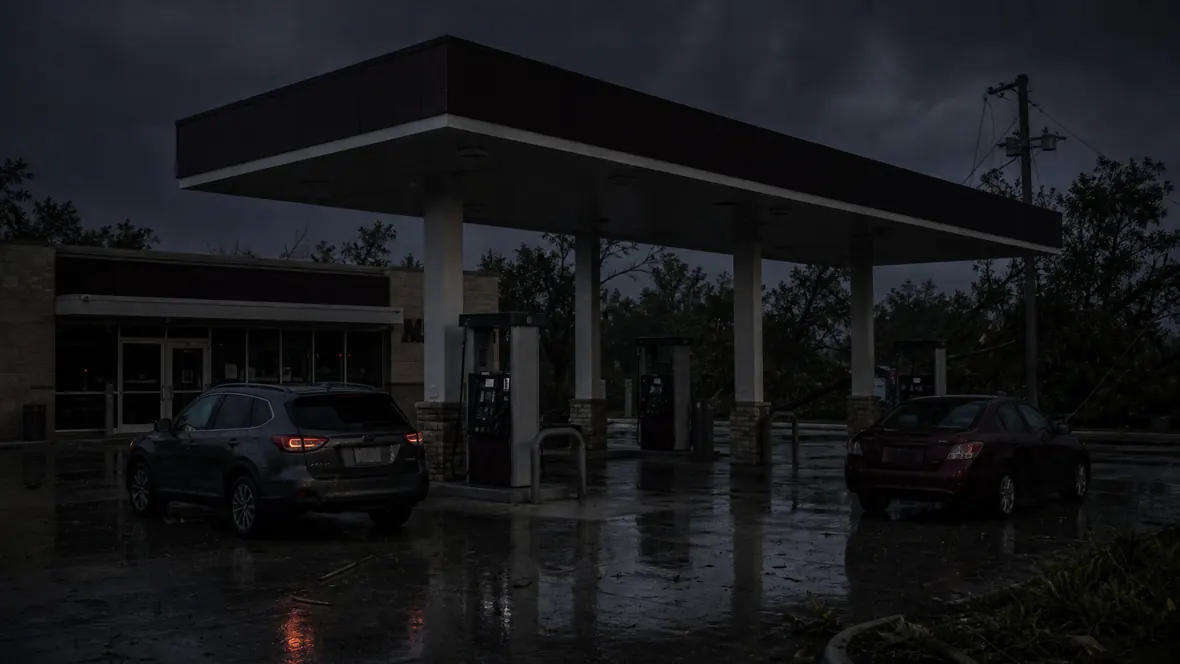
So the gas generator... ends up either silent in the driveway, or quietly poisoning a family in their sleep.
Sometimes both.
The second mistake is buying a battery that only survives the first night.
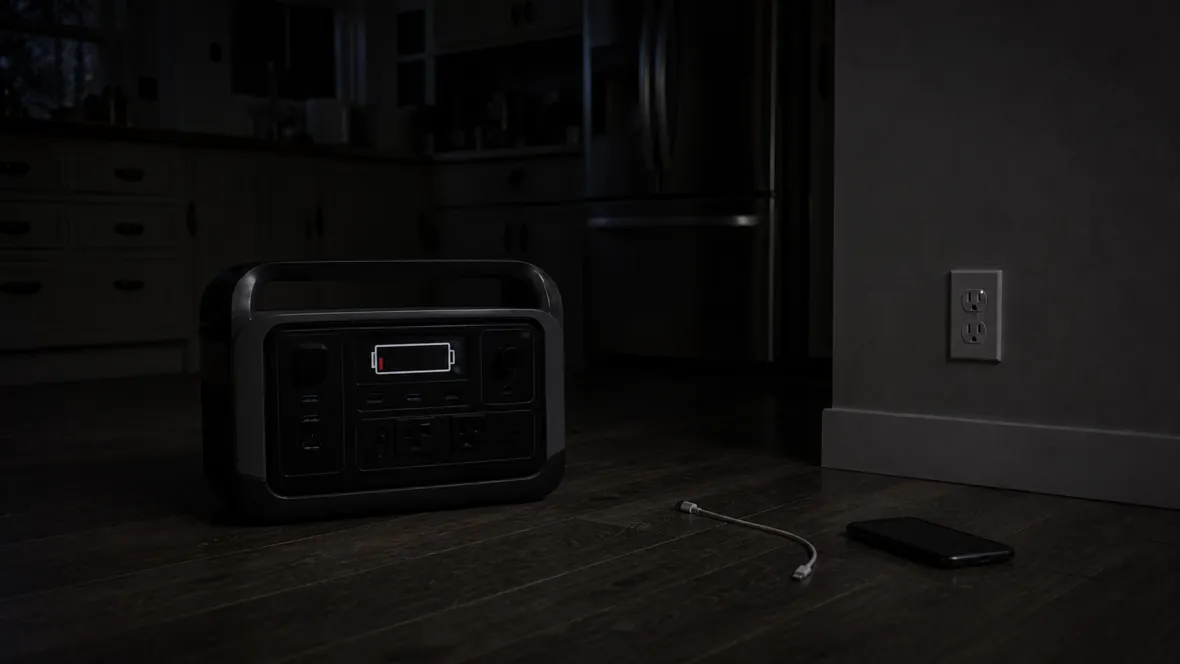
The electric power station.
They don't run on fuel.
They run on a lithium battery inside.
So on paper, they fix the gas generator's biggest problem.
No fumes. No carbon monoxide. Safe to use indoors.
They'll charge a phone, run a lamp, even keep a small fan going overnight.
For a short outage of a day or two, they work fine.
When the battery runs out, it can't refill itself.
But the problem is they're not built for the long outages the grid is increasingly producing.
The battery inside only holds so much power.
Maybe a few hours of running real things.
Maybe up to a day if you're rationing the bare minimum.
When that battery runs out, the unit has no way to refill itself.
You're back to plugging it into the wall, except the wall doesn't have power either.
So the electric power station is the right tool for a power flicker.
Or an afternoon outage.
Or a single night of a snowstorm.
But for the kind of multi-day outage that takes down a region for days at a time... it isn't the answer either.
Then there's the third kind.
The solar generator.
And this is where things finally start to make sense.
A solar generator is the same kind of battery-powered box as the electric power station.
Same lithium battery inside.
Same safe-to-use-indoors operation. No fuel. No carbon monoxide. No fumes.
But with one critical addition.
A solar panel.
The unit keeps refilling itself, day after day.
You unfold the panel outside in the morning.
The sun charges the unit during the day.
The battery powers your house through the night.
By the next morning, the unit is full again and ready for another day of use.
So unlike the gas generator, you don't run out of fuel.
Unlike the electric power station, you don't run out of battery after a day or two.
But…
Most solar generators have three hidden dangers.
And each one is the kind of thing you only find out about after the storm has hit.
Hidden Failure #1
First, the unit drains itself before you ever need it.
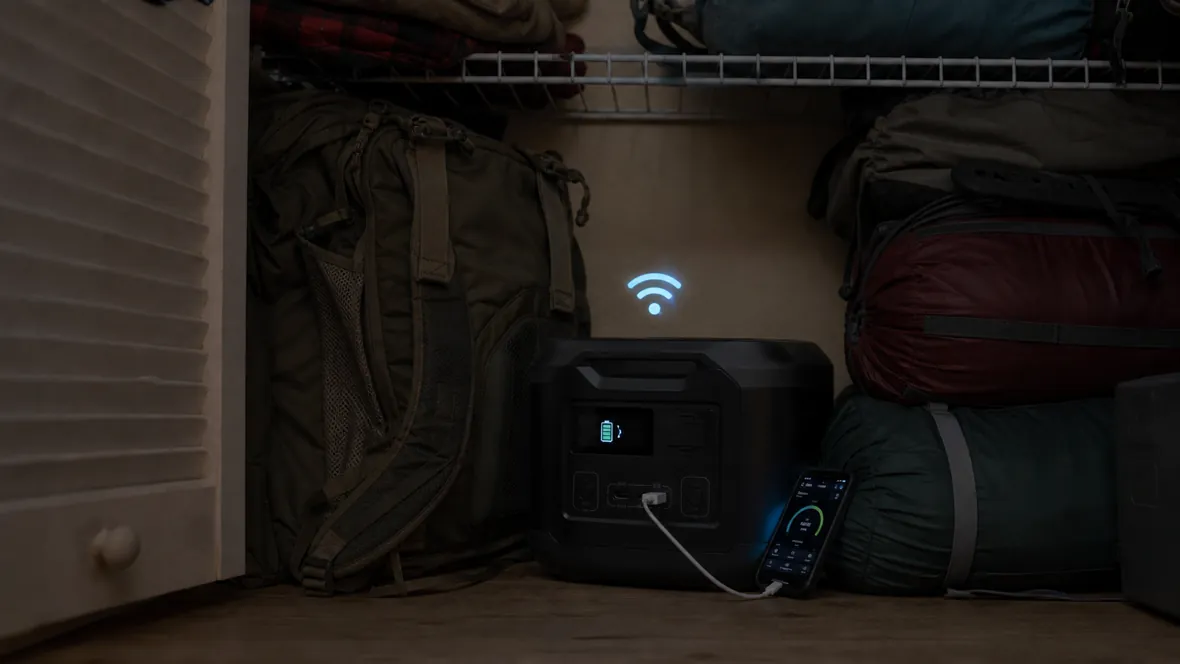
Most solar generators today have Wi-Fi and an app built in.
The radio inside keeps running even when the unit is off, drawing power from the battery, day and night, for as long as the unit sits unused.
After a few months, the battery has lost thirty to fifty percent of its charge.
And by the time the weather forecast tells you a storm is coming, there isn't time to fully recharge a half-empty unit before the grid goes down.
Which means the unit you bought for an emergency is already half empty when the emergency starts.
Hidden Failure #2
Second, the inverter inside slowly damages your medical equipment.
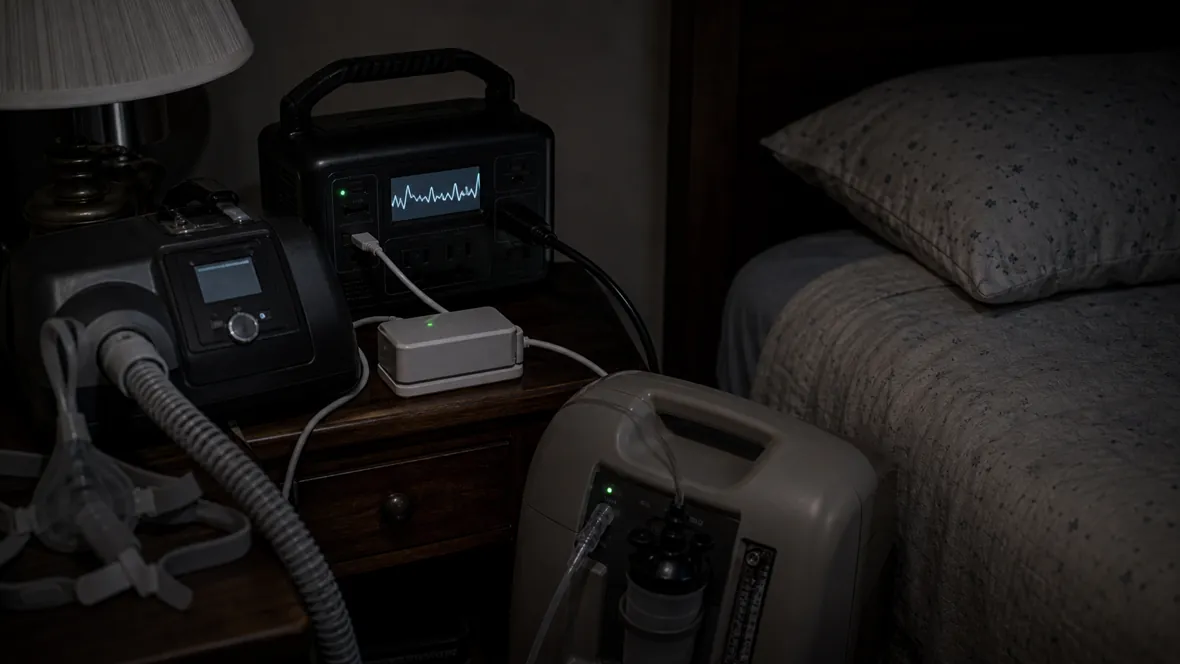
The cheap inverters inside most solar generators don't produce real, clean electricity.
They produce something called modified sine wave, a rougher, choppier kind of current than what comes out of your wall outlet.
It looks fine on the meter.
But when you plug a medical device into it, or a refrigerator compressor, or an oxygen concentrator, that rough current slowly damages the motors and the electronics inside.
You won't see the damage right away.
But every minute it runs on that current, the equipment wears down… until it stops working.
Then what?
Hidden Failure #3
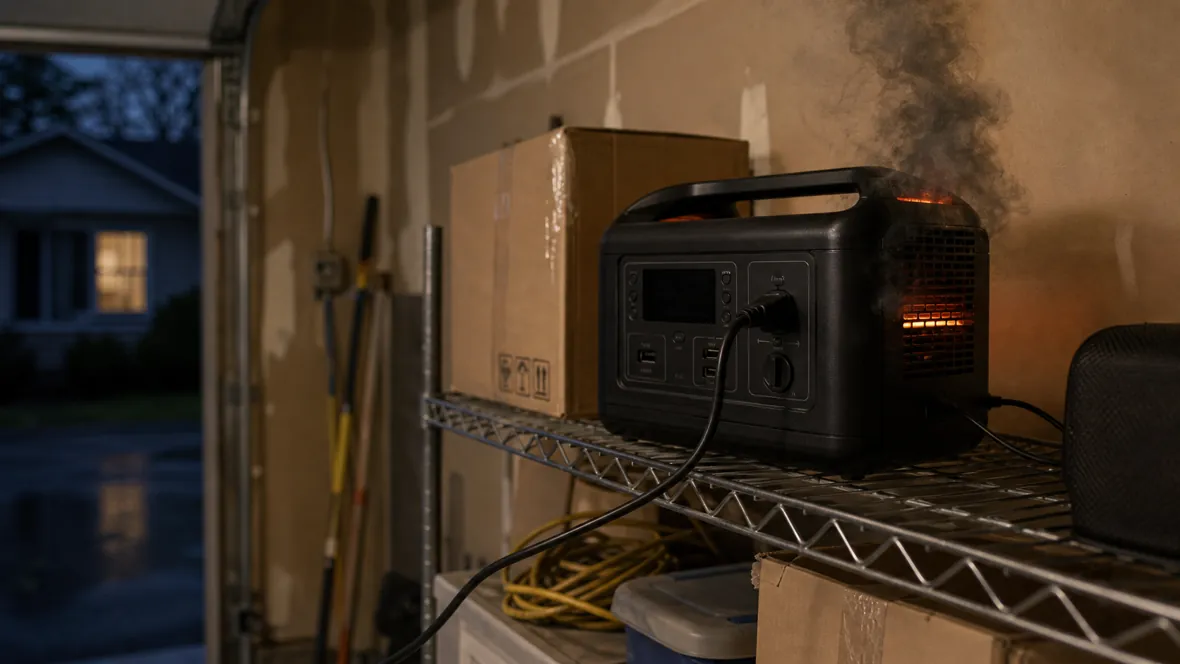
Third, the battery itself can overheat and catch fire.
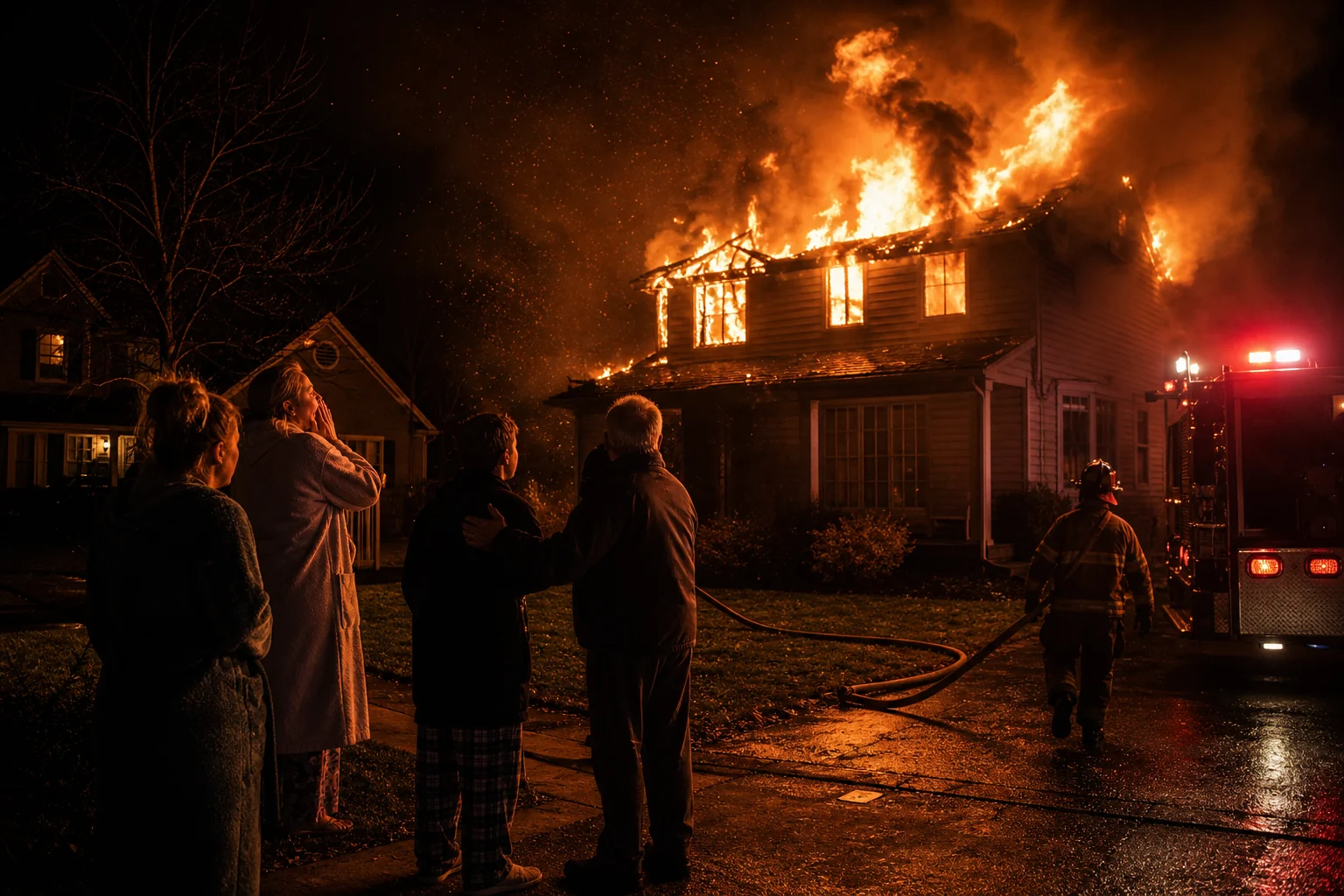
Most solar generators use the same kind of lithium-ion battery chemistry that's in your laptop and your phone.
The problem is that chemistry doesn't handle heat well.
Under sustained load, in a hot garage, in a long summer outage, it can overheat.
That's why one major brand had to recall over twenty-five thousand units last year.
The firmware was letting them overheat and catch fire.
The fix required an app update over Wi-Fi.
Which the families needing it didn't have, because their Wi-Fi was down with the grid!
A fire in the garage isn't the kind of backup you bought.
The truth is that generators on the market today are built by companies that have never spent a multi-day outage with a sick parent at home.
They're built for RVs, tailgating, weekend camping.
For the kind of person who's just trying to charge a phone at a campsite.
Not for the household where a long outage could put someone you love at risk.
A few years ago, one man decided that wasn't good enough.
His name is Matt.

And the reason he set out to fix this is because he came within ninety-three minutes of losing his mother.
His own mother nearly became the grandmother who didn't make it.
She lives alone in a small town in Georgia, in her late seventies.
And for the last decade, she's relied on a small machine that pumps oxygen into her lungs at night.
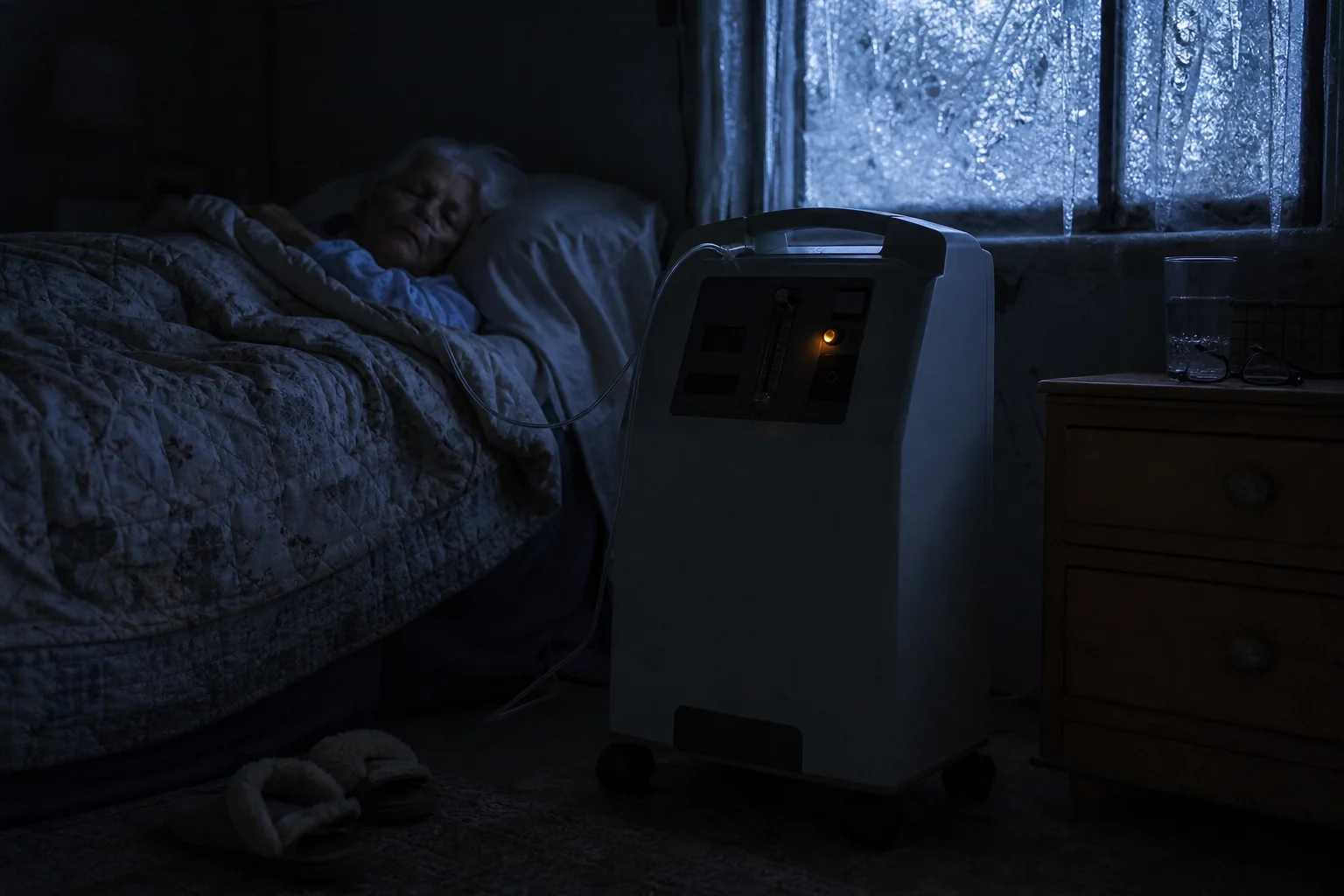
Three winters ago, an ice storm took out the power in her county.
Inside the house, the temperature dropped fast.
Outside, the cell towers went dead and the roads froze over.
Matt was four hundred miles away when he realized he hadn't heard from her in two days.
So he started driving.
But he couldn't get through, because the interstates were closed.
By the time a local fireman managed to reach her, the oxygen machine had been running on a small backup battery that was almost spent.
Ninety-three minutes left.
That's what was between his mother and the end.
She survived. But Matt swore he'd never let another family come that close.
So he started by looking at every generator on the market.
He bought the major brands and tested them all.
And every single one had the same three problems.
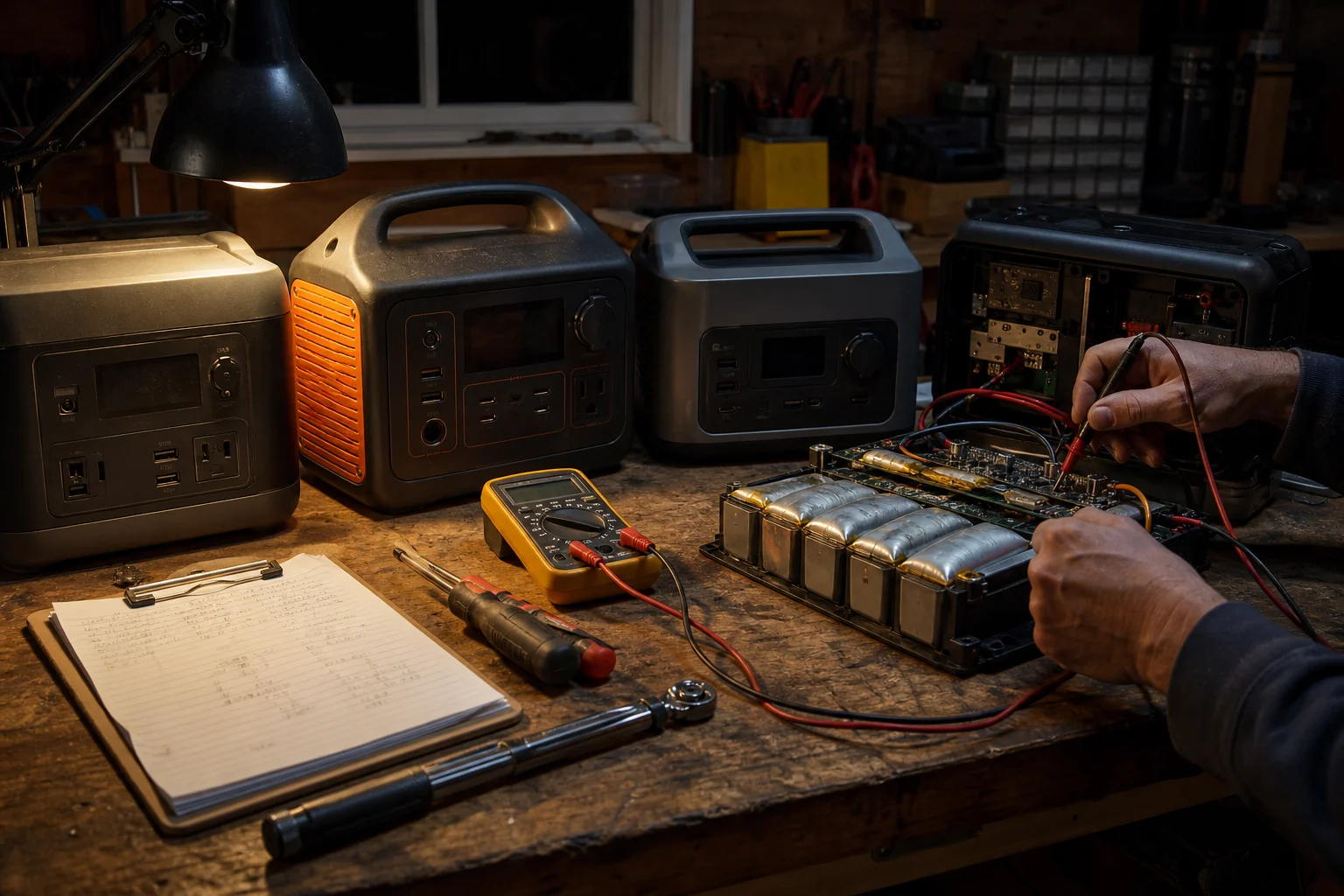
That's when he decided to build his own.
First he brought in engineers who had worked on industrial-grade lithium iron phosphate battery systems.
Then he partnered with the team behind QuietProtector, the emergency preparedness brand that has shipped to over fifty thousand American families.
And together they set rules they wouldn't break.
They set rules they wouldn't break.
It had to hold its charge for months at a time, sitting untouched.
It had to be safe enough to run inside the house, next to any medical equipment, without ever overheating.
It had to produce clean electricity.
The kind that wouldn't slowly damage and break the appliances.
It had to be simple enough for someone who's never owned a piece of technology more complicated than a microwave to operate.
And it had to actually run the things that matter in a real household, not just charge a phone.
What he built is called TerraHearth.
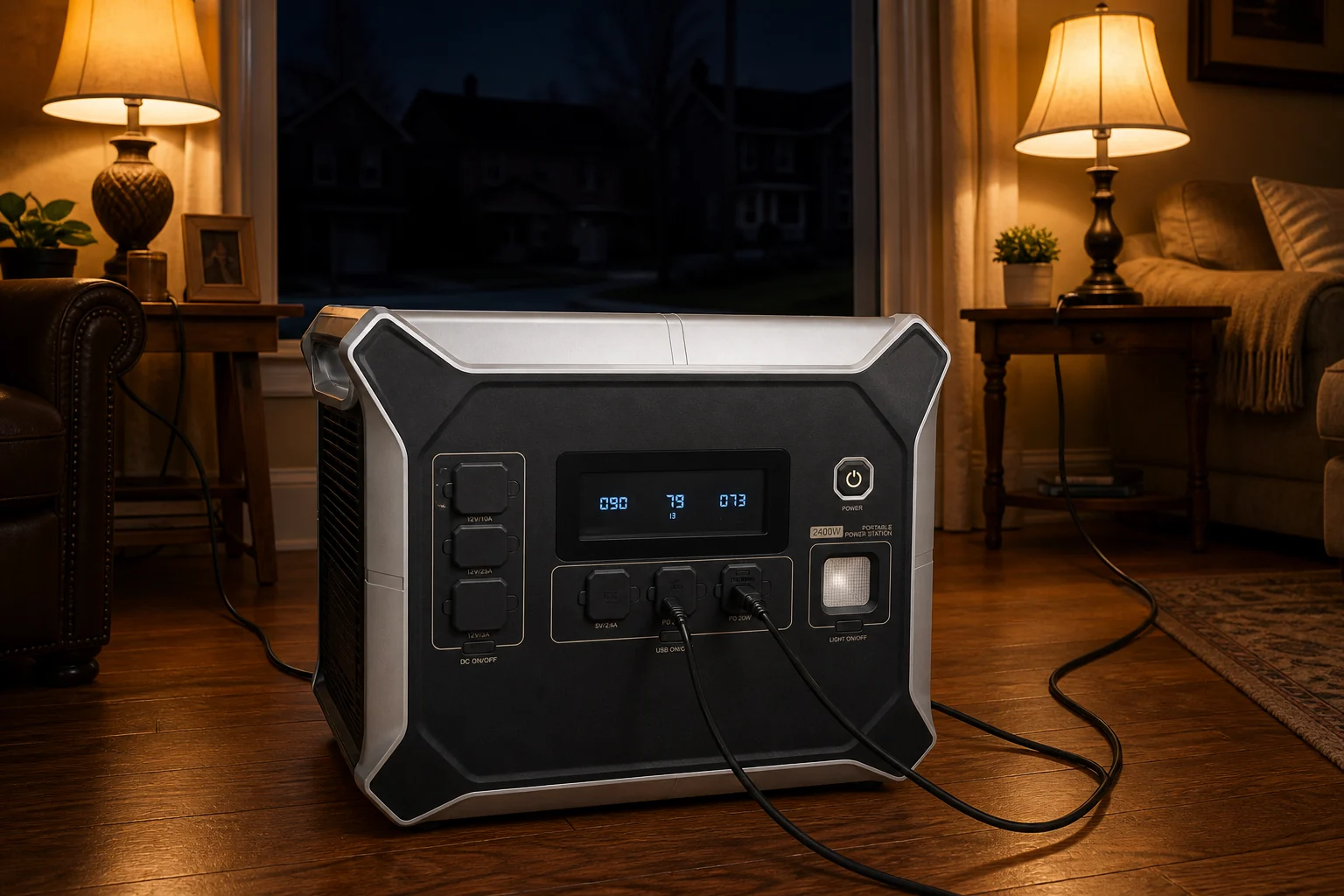
TerraHearth is a 2048Wh home power station paired with a foldable solar panel.


It's about the size of a small kitchen appliance, and simple enough that anyone can run it without help. You keep it on the floor in a spot you can reach easily, so the moment the power goes out, it's already right where you need it.
You plug it into the wall to charge.
When the grid goes down, you unplug it from the wall and plug your essentials into it.
It holds its charge for months.

So the morning of the storm, you find the unit exactly where you left it, ready to go.
It won't overheat or catch fire.
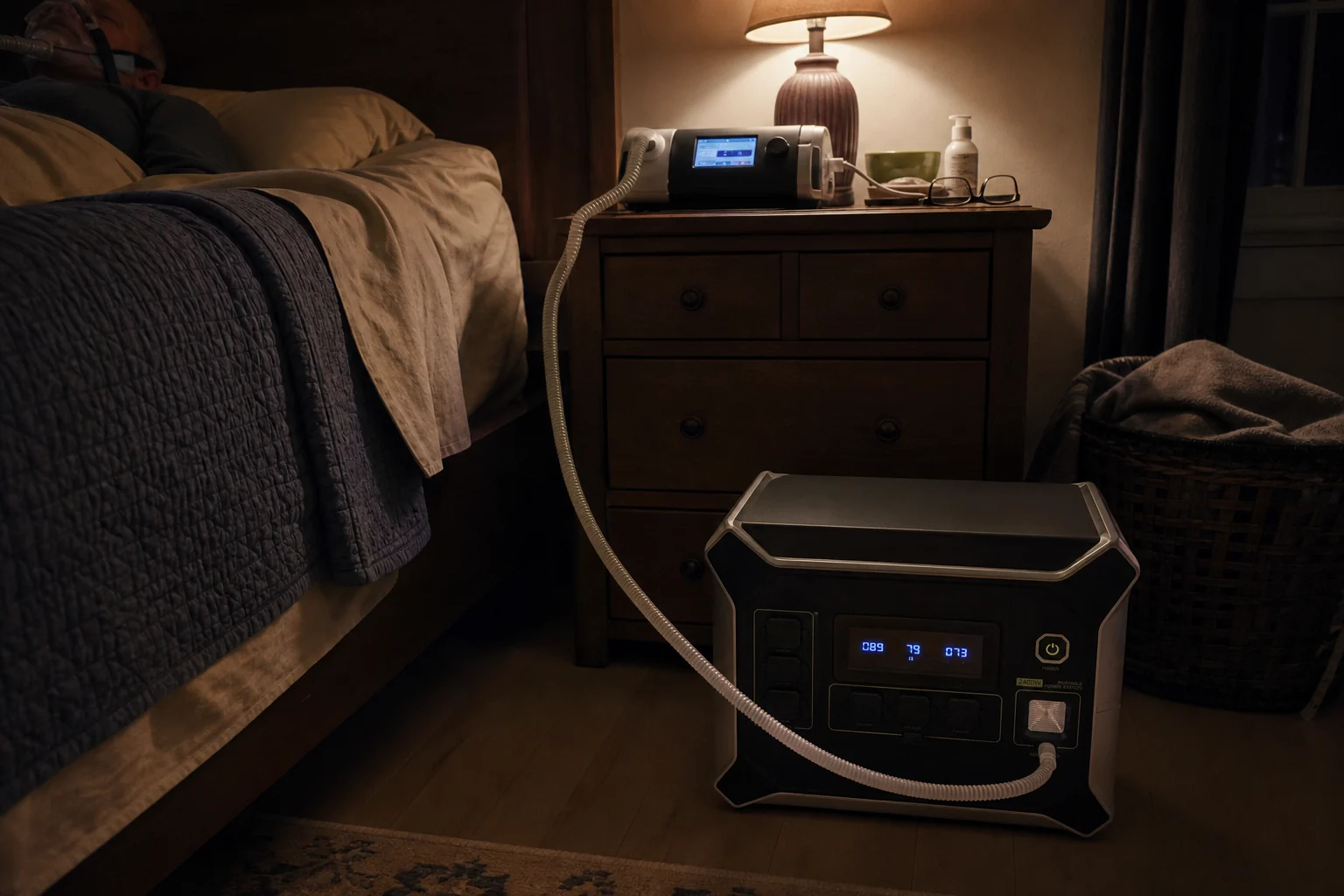
It produces the same clean power as your wall outlet.
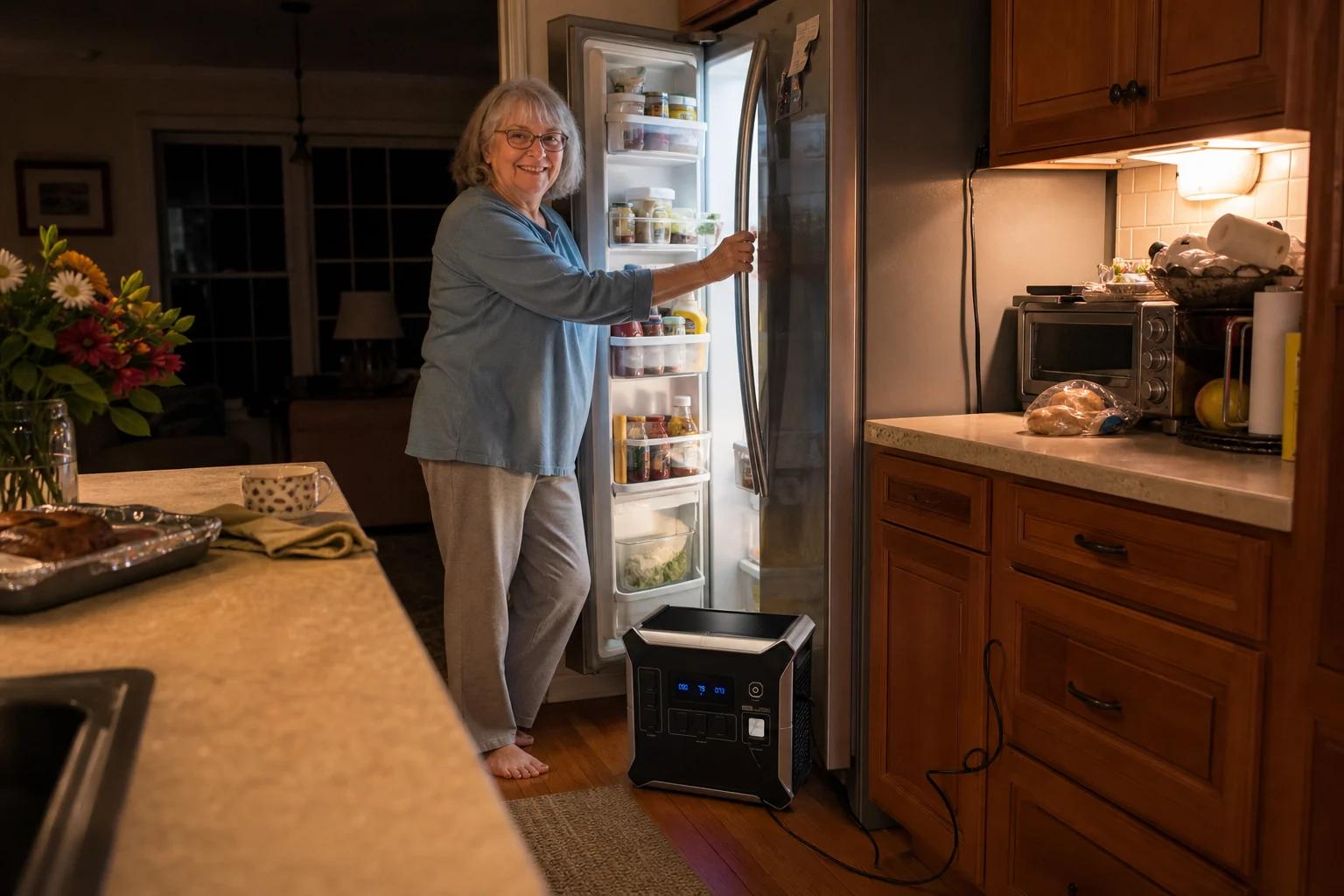
And for the kind of equipment that can't afford even a few seconds of interruption, like a medical device that runs through the night, you can leave the unit plugged into the wall with that equipment running through it, twenty-four hours a day.
The package comes with a 200-watt foldable solar panel.
You unfold it outside in the morning, and it plugs into the back of the unit with a single cable.
It folds out in under a minute and clicks in with one connector. No tools, no wiring, nothing to figure out.
The sun charges the unit during the day, even when you can't see it through the clouds, while the battery powers your house through the night.
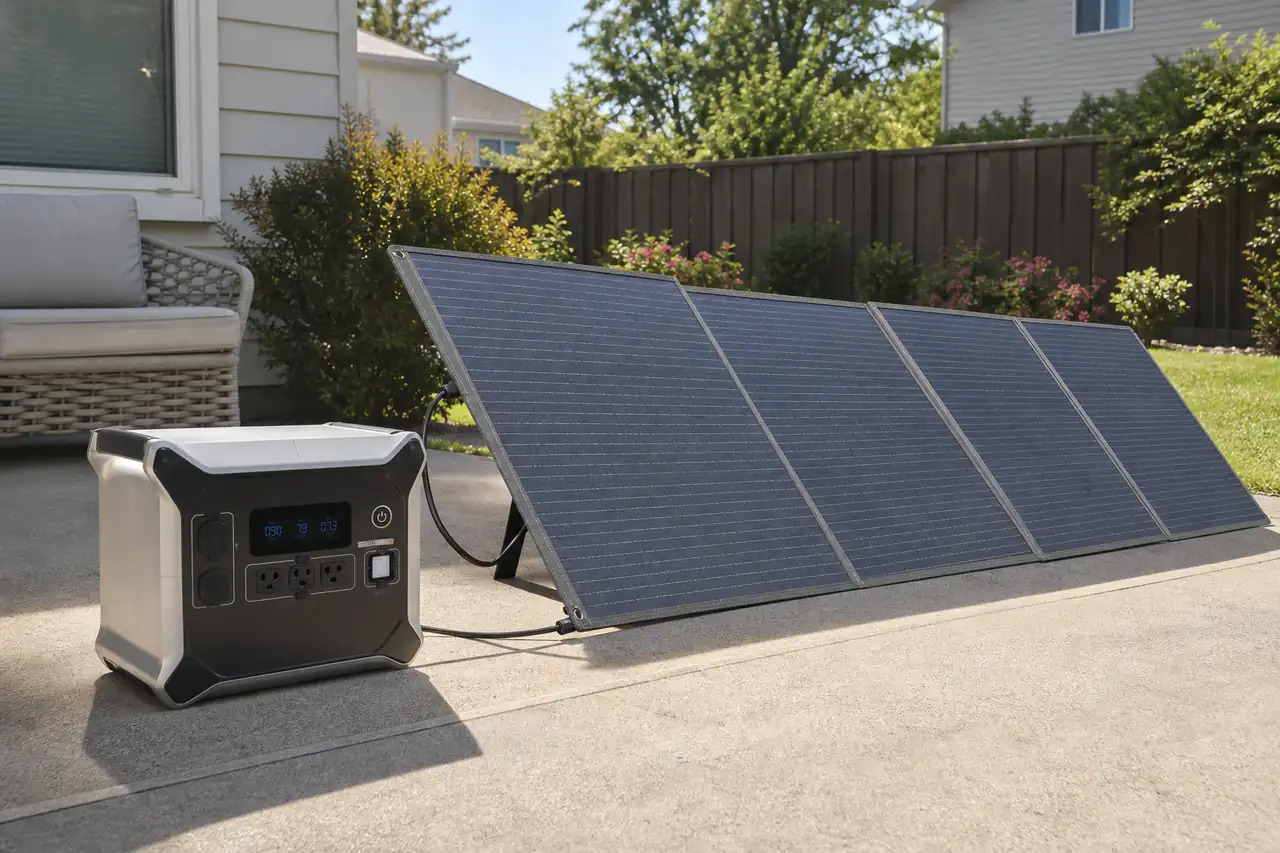
So when the grid goes down, your house keeps running.
And so do you.
You are effectively power independent.
Now, most people don't realize that owning a backup power system like this costs less than the alternatives.
It costs less than the alternatives.
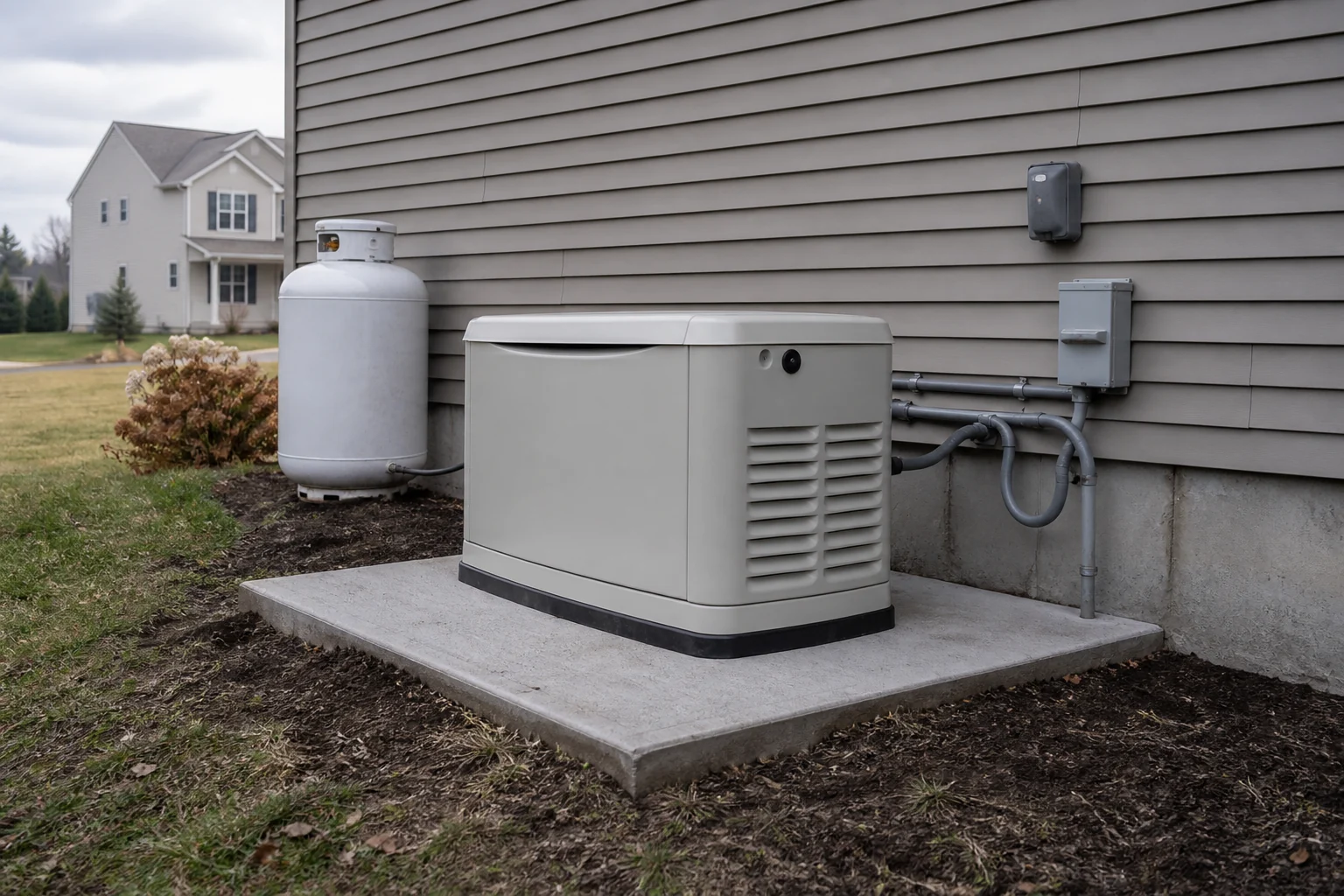
A whole-home generator, the kind with a propane tank in your backyard, costs ten to twenty thousand dollars installed. And you need a permit. And you need a contractor. And it runs on fuel that runs out.
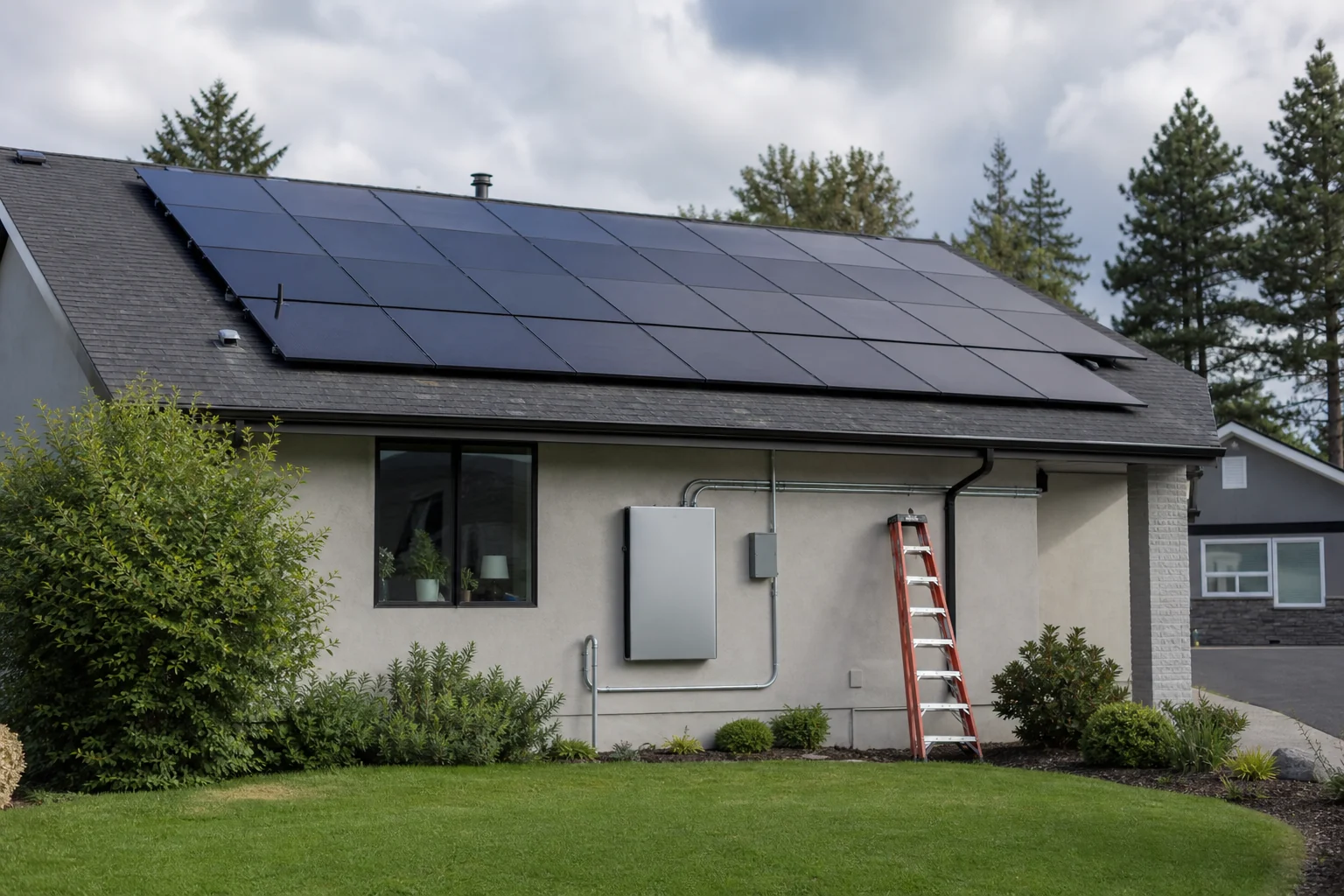
A permanent solar and battery system, the kind installed by an electrician on your roof, costs twenty thousand dollars or more. And it takes weeks to install. And it ties to your house, so if you ever sell, you leave it behind.
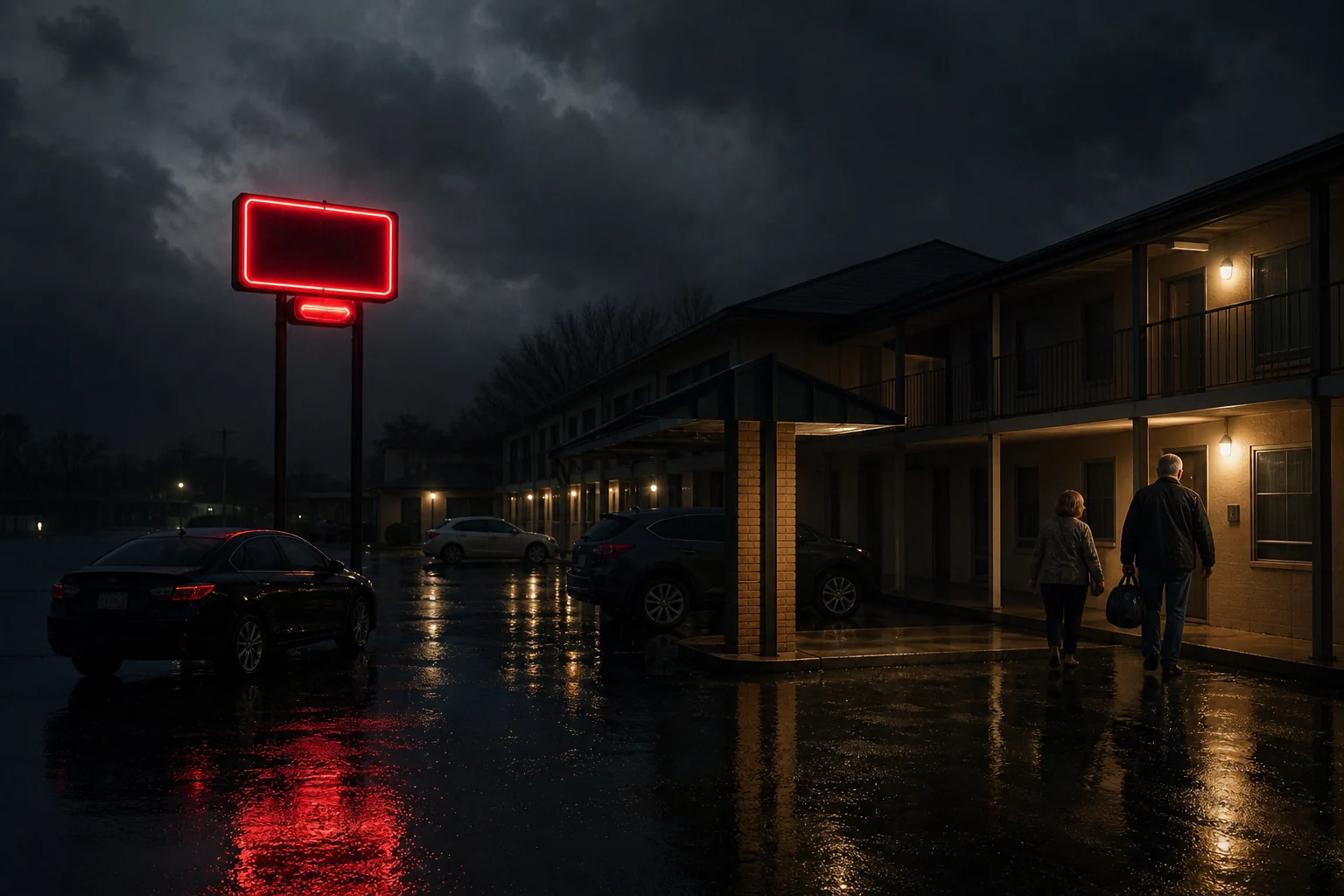
A few nights in a hotel runs five hundred to a thousand dollars every time the power goes out. Over a lifetime of outages, that adds up to ten to fifteen thousand dollars spent fleeing your own home. If you can find a room. If the roads are open. If you're well enough to travel.
TerraHearth doesn't cost any of that.
Why there's no price on this page.
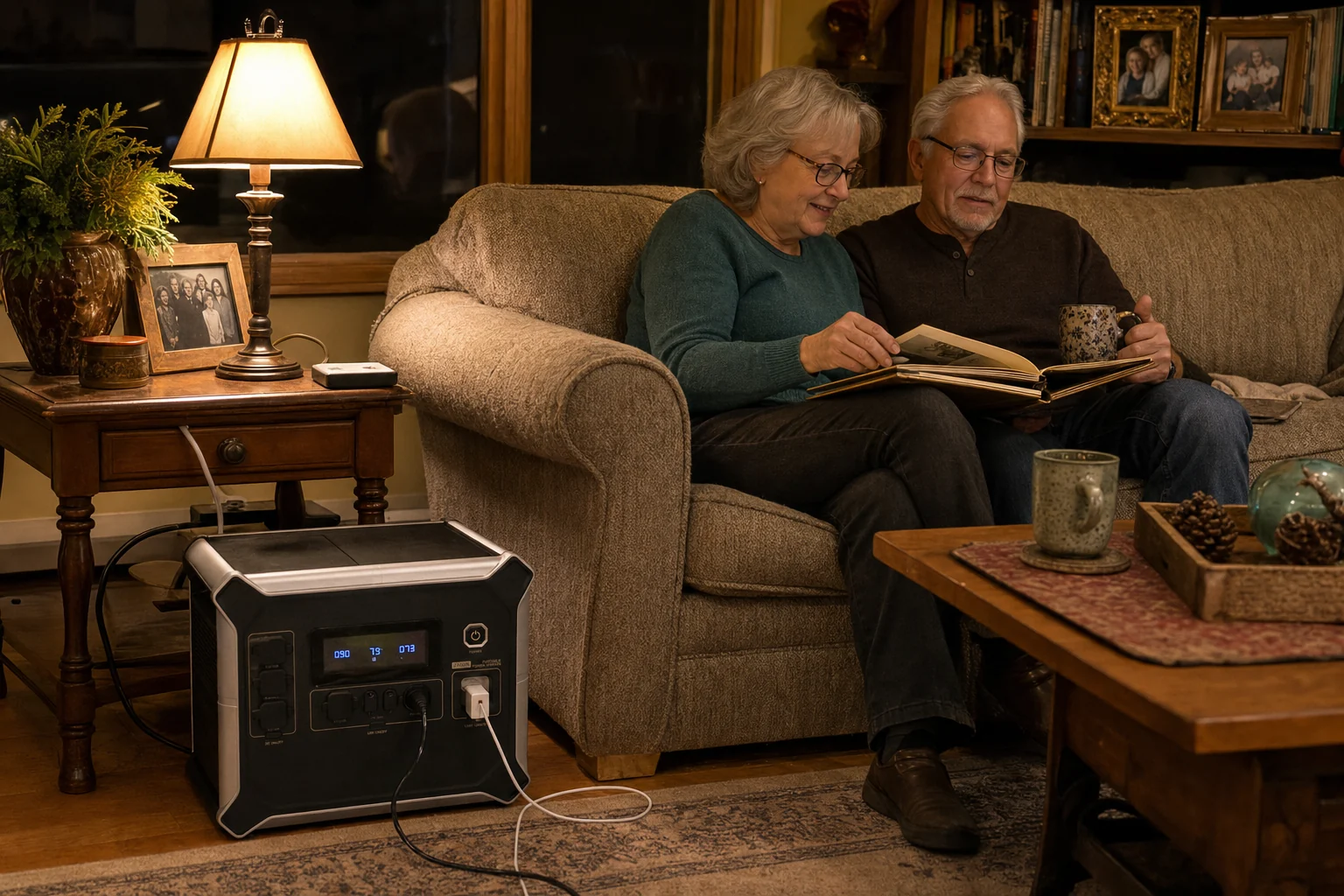
There's no price here, and no button to order one. That's on purpose.
TerraHearth isn't a thirty-dollar gadget. It's a piece of equipment your family will lean on when the power's gone, for the next ten years and more.
Whether it quietly does its job the night the storm hits, or leaves you fumbling in a dark kitchen at midnight, comes down to one short conversation before it ever ships.
So before a single TerraHearth goes out the door, every family agrees to three simple things.
That is the difference between owning backup power and owning another box in the closet.
If that sounds like the kind of home you want to live in, here's how to find out if TerraHearth fits your situation.
This won't be an aggressive sales call. That's not how this company operates. It'll be a friendly conversation, ten minutes, with someone whose only job is to make sure TerraHearth is the right fit for your household.
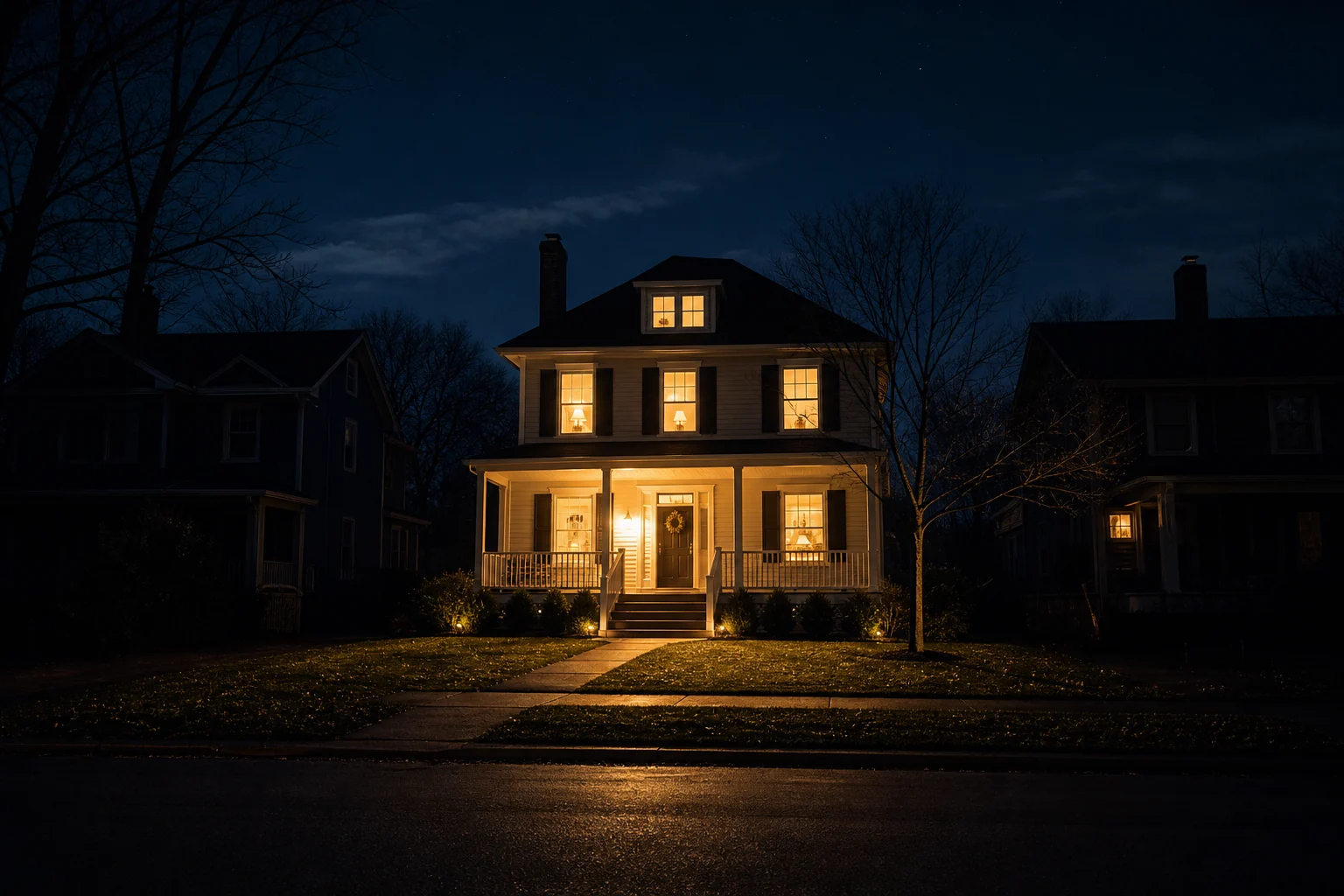
Find Out Which TerraHearth Setup Fits Your Home
In ten minutes, a specialist will ask what needs to stay running, confirm whether the one-panel or two-panel setup fits your home, explain delivery and setup, and give you the exact current presale price.
Now one important thing has to be made clear.
Each batch is small, and they sell out fast.
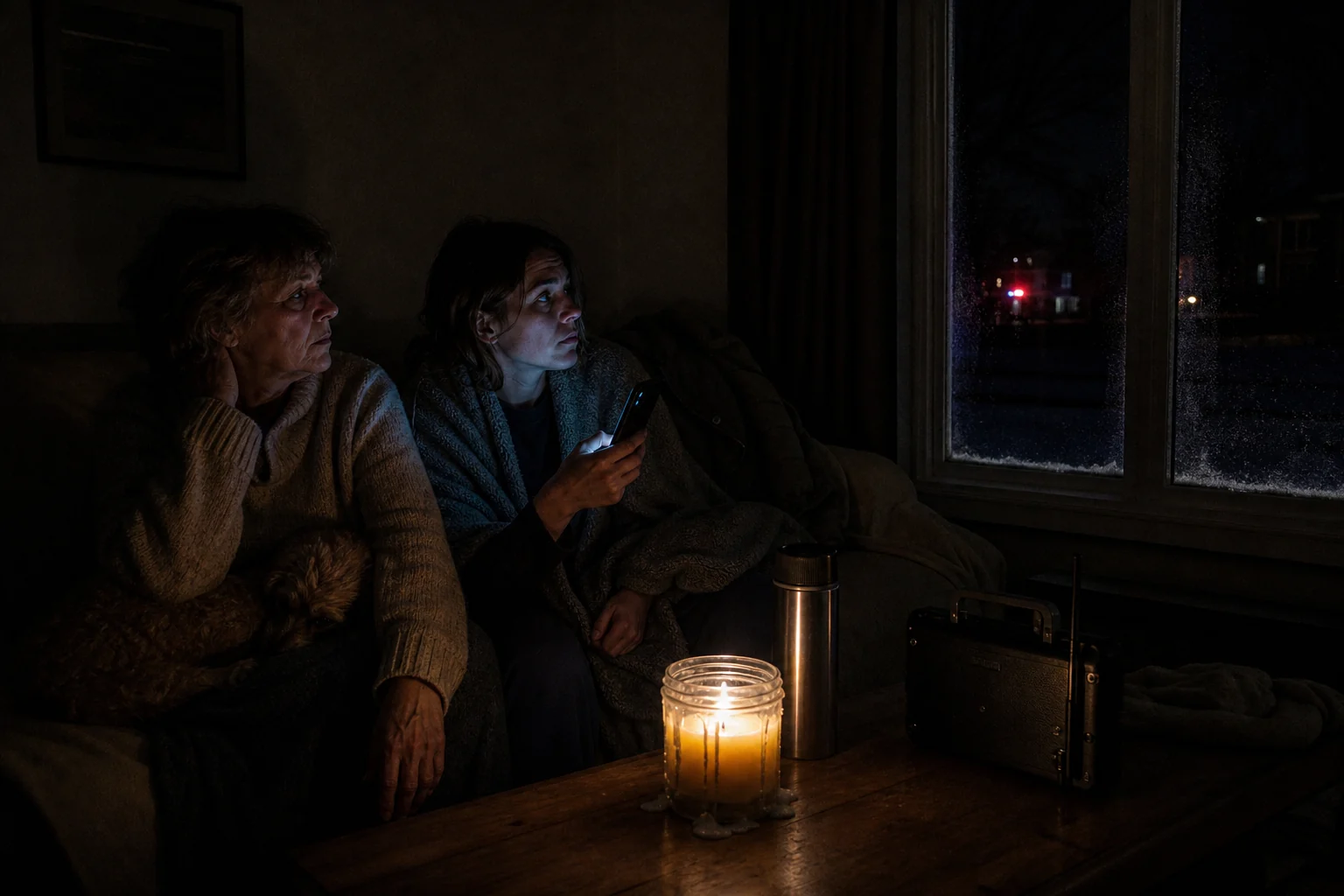
That's the position Matt built TerraHearth to keep people out of.
So this is what every household reading this has to decide.
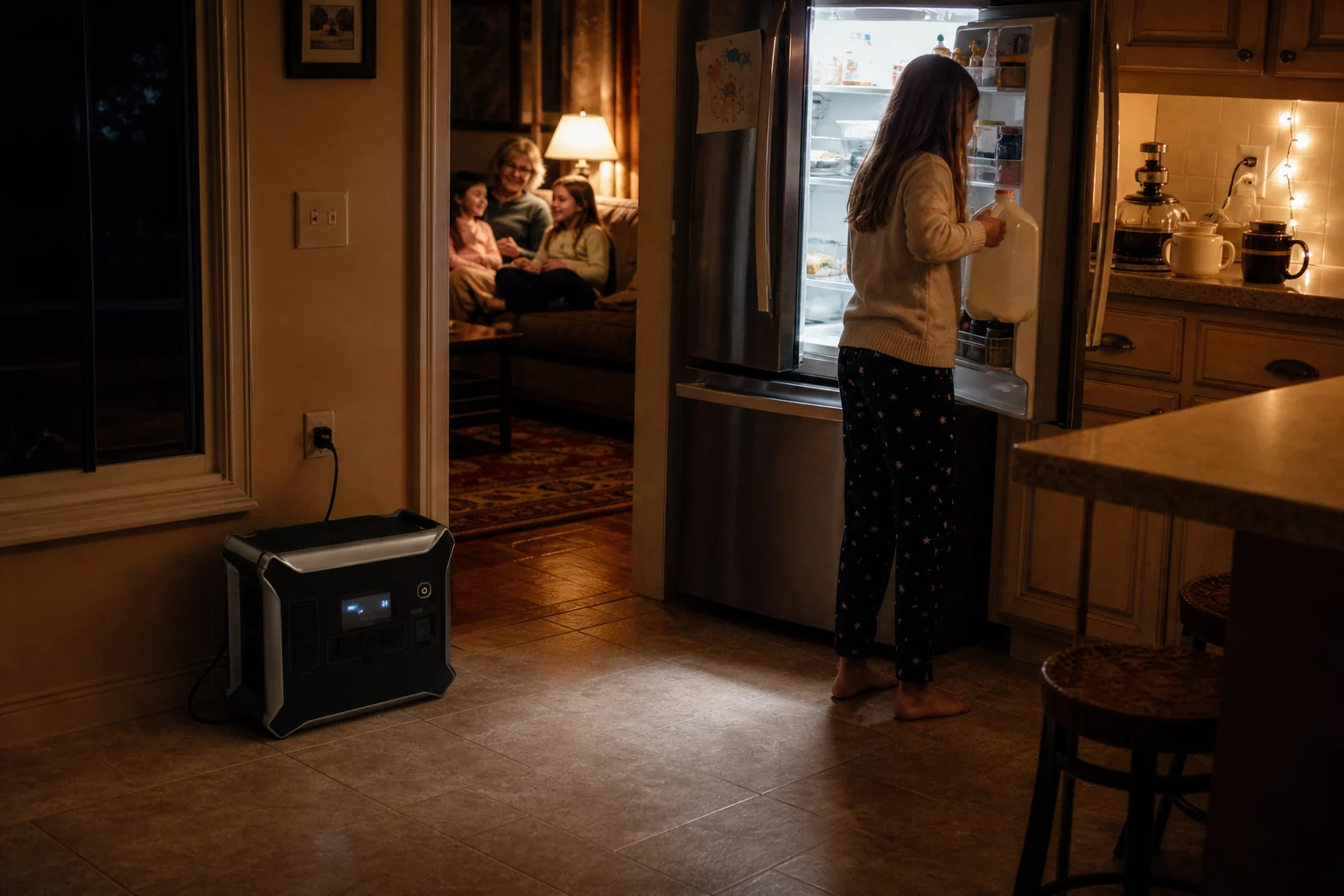
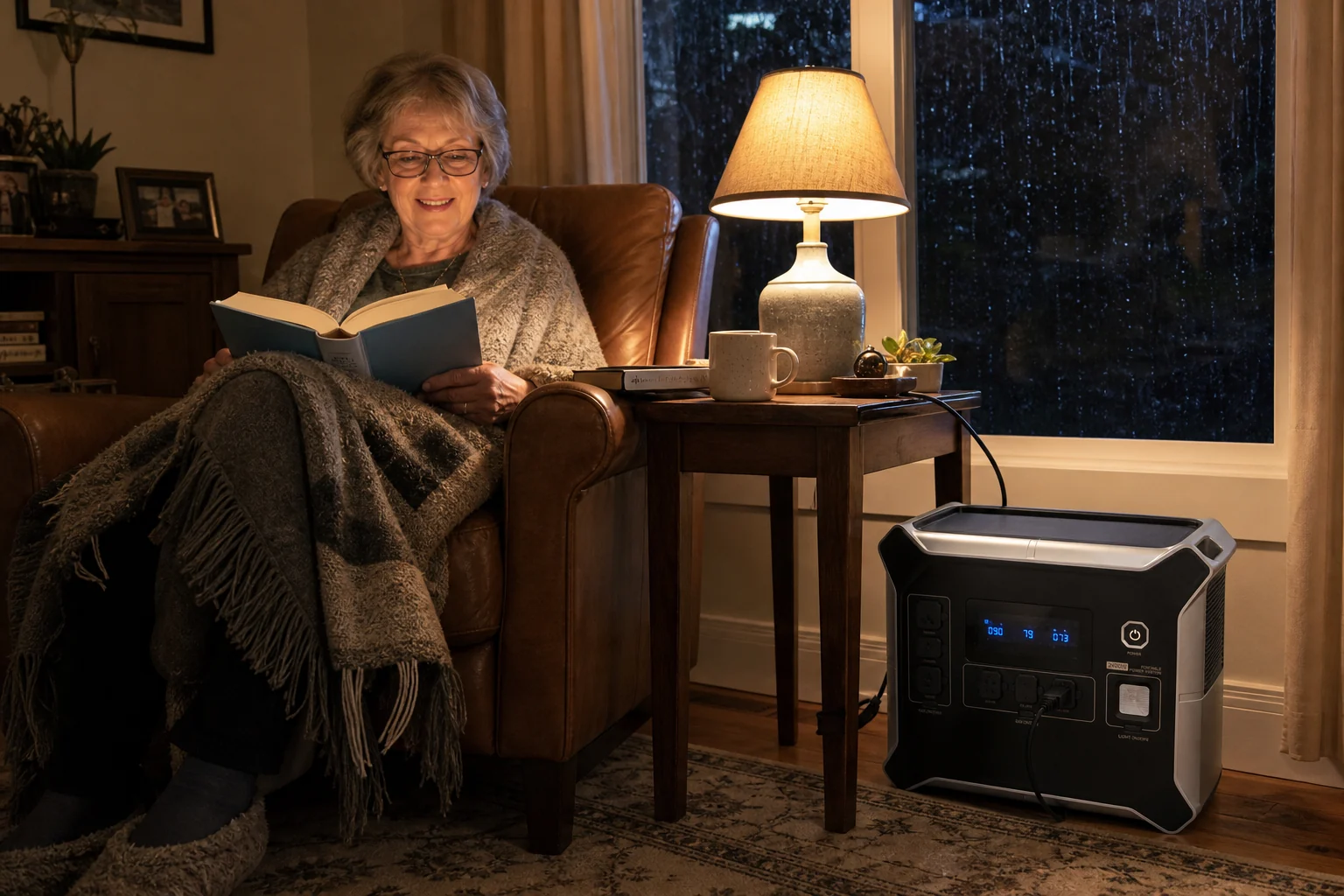
Your house quietly handles whatever the storm throws at it.
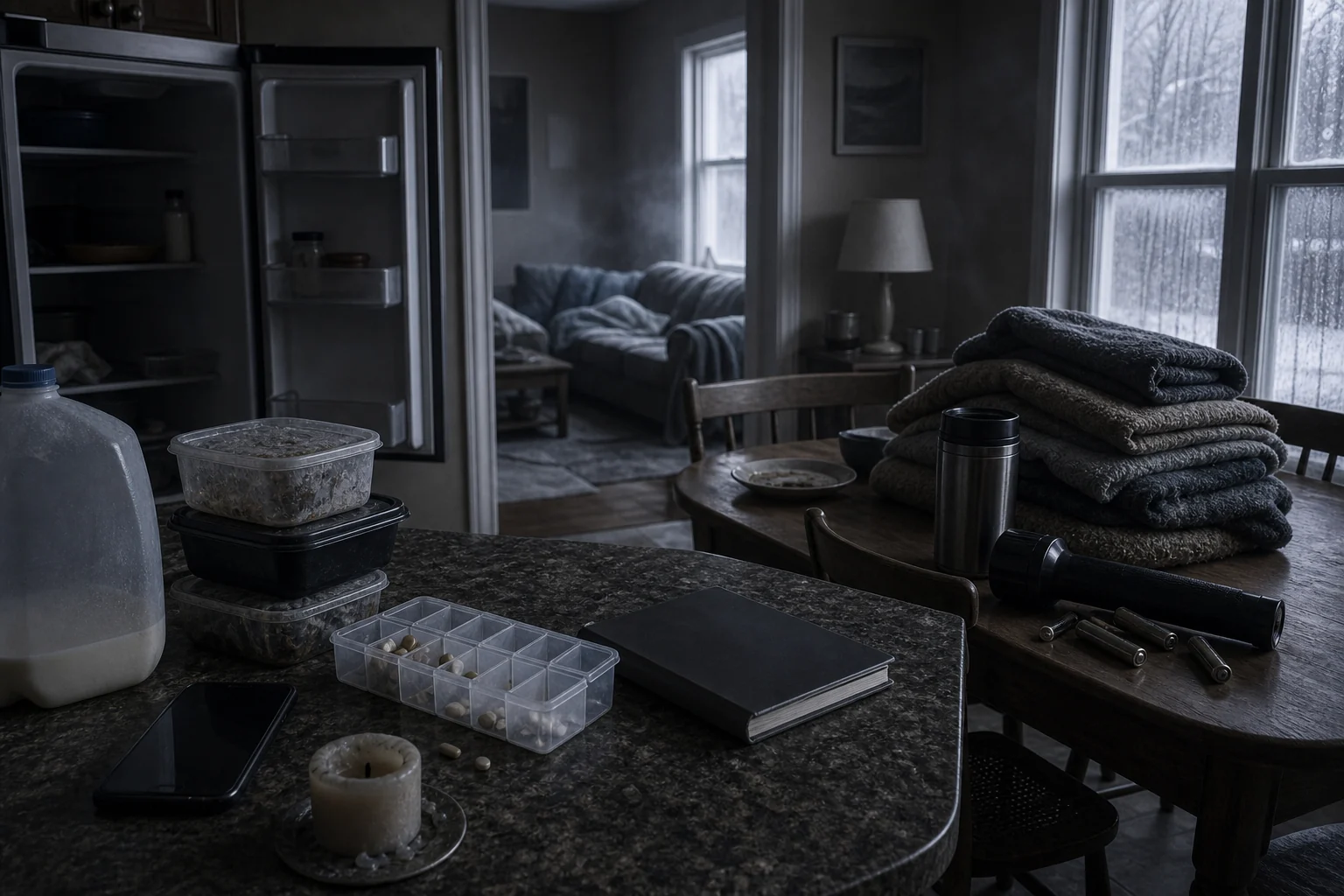
Or you find out the hard way what an unprepared house looks like.
That's the choice this comes down to.
So if you've read this far, the next move is obvious.
If at the end of the call you decide it's not for you, the call ends as friends.
If at the end of the call you decide it is for you, the next storm will be the last one that ever catches your household unprepared.
Matt built TerraHearth for one reason. So no family would ever have to come within ninety-three minutes of losing someone they love.
The next move is yours.
Schedule the call. Get TerraHearth where it belongs, in your home and ready, for the next time the lights go out.
That's the only call you have to make today.